
Change Language
Serpentine Root
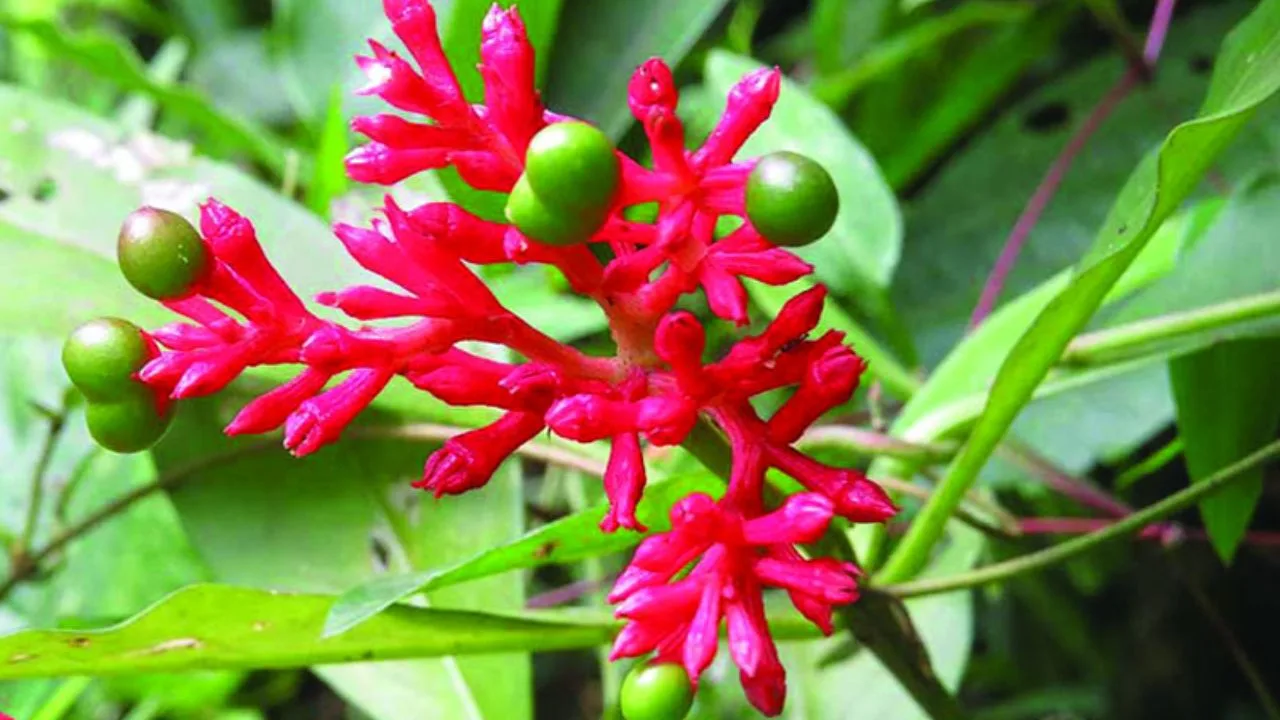
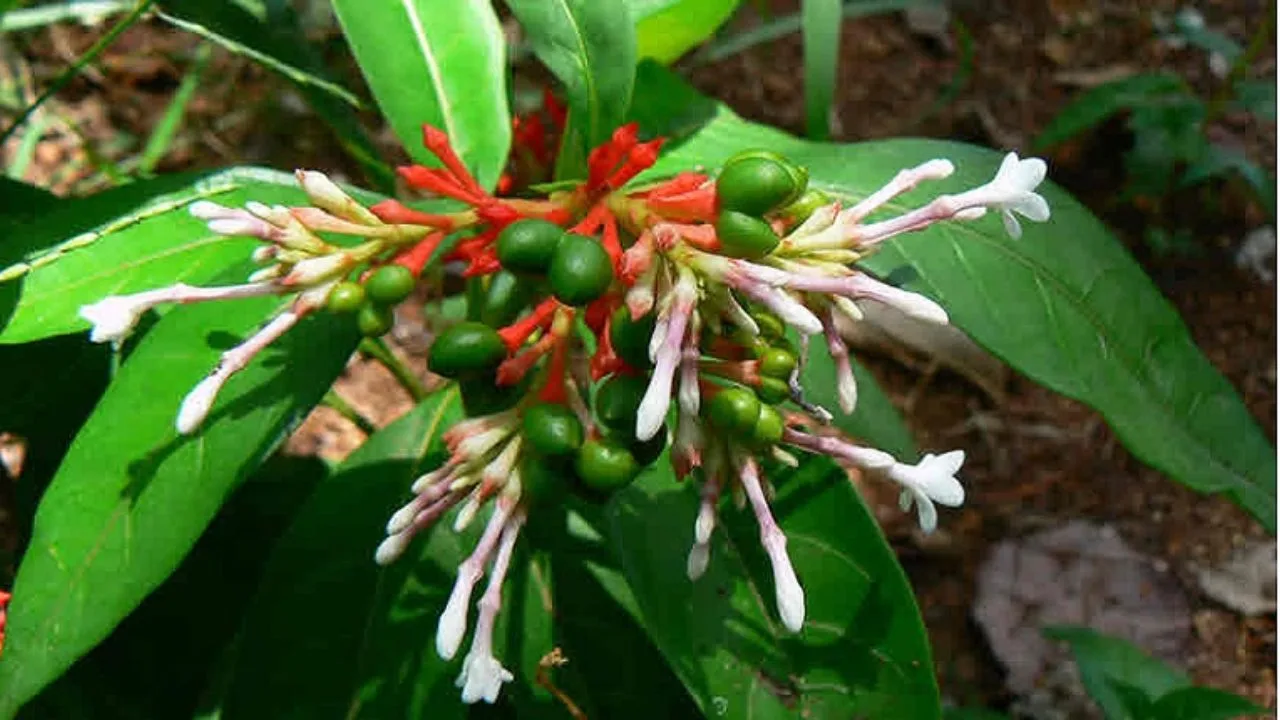
Introduction and Source of Sarpgandha
Sarpgandha (Scientific name: Rauvolfia serpentina), also known in Bengali as Chandra-mool, Pagal-domoni, Ardhonorisha, is a highly important medicinal herb used extensively in Ayurveda, Unani, Homeopathy, and modern medicine.
Description
Sarpgandha is a perennial shrub.
Height typically ranges from 60 cm to 1 meter.
Leaves are dark green, elongated, and trifoliate (three leaflets together).
Flowers are white to light purple.
Fruits are round, turning reddish-black when ripe.
The root is the most important part for medicinal use.
Names in different languages:
Bengali: সর্পগন্ধা / চন্দ্রবোড়া
English: Indian Snakeroot / Serpentine Root / Rauwolfia
Hindi: साँपगंधा (Saapgandha) / चंद्रबोरा (Chandrabhora)
Urdu: سانپ گندھا (Saanp Gandha) / چندر بورا
Arabic: راولفيا (Rauwolfia)
Scientific Name: Rauvolfia serpentina
Origin and Distribution
Native to India, Bangladesh, Sri Lanka, Nepal, Bhutan, and Myanmar in tropical and subtropical regions.
Found abundantly in Indian states like Assam, Bihar, West Bengal, Uttar Pradesh, Madhya Pradesh, and southern India.
Grows naturally in shady, moist areas, forests, and shrubs.
Now cultivated commercially for its medicinal properties.
Medicinal Importance of Sarpgandha
Sarpgandha is a widely used medicinal plant with long-standing recognition in Ayurveda, Unani, Siddha, and folk medicine.
Key Uses
Blood Pressure Control
The root contains Reserpine, which helps lower blood pressure.
Used in Ayurvedic medicine for long-term management of hypertension.
Neurological Benefits
Helps reduce excessive brain stimulation.
Useful for insomnia, anxiety, mental restlessness, and tension.
Treatment of Mental Disorders
Traditionally used for psychosis, schizophrenia, and epilepsy.
Calms the brain and soothes nerves.
Snake and Insect Bites
Traditionally used for snake bites and poisonous insect stings.
Detoxification
Believed to help remove accumulated toxins from the body.
Digestive System
Used for constipation, abdominal pain, and other gastric issues.
Women’s Health
Helps with menstrual irregularities and pain according to Ayurvedic texts.
Caution:
Sarpgandha is a potent herb and should not be used without medical guidance.
Excessive intake may cause extremely low blood pressure, dizziness, fatigue, and digestive problems.
Medicinal Uses & Benefits
Uses
Blood Pressure Control – Root extract is used to lower high blood pressure.
Mental Health – Helps reduce anxiety, insomnia, restlessness, hysteria, schizophrenia.
Nervous Disorders – Relieves nerve-related headaches and epilepsy symptoms.
Heart Health – Calms the heart and reduces irregular heartbeat.
Digestive Aid – Helps with constipation and improves appetite in small doses.
Snake Bites (Folk medicine) – Root traditionally applied or consumed.
Properties
Sedative
Antihypertensive
Antipsychotic
Hypnotic (helps sleep)
Tranquilizer
Precautions
Overdose may cause severe hypotension, nasal bleeding, dizziness, depression, digestive issues, or even respiratory problems.
Must always be used under a physician or herbalist’s supervision.
Dosage and Administration
Forms & Dosage
Powder (Churna) – 1–3 grams, 1–2 times daily with warm water or milk.
Decoction (Kashaya) – Boil roots to 30–50 ml, 1–2 times daily.
Tablet / Capsule – 250–500 mg, 1–2 times daily (as per physician).
Fresh Root – Chewed or boiled, in small amounts (½–1 gram).
Precautions
Not suitable for pregnant or lactating women.
Avoid excess intake to prevent hypotension, dizziness, depression, digestive problems, or breathing difficulty.
Avoid combining with alcohol or sleeping pills.
Dose depends on age, health, and condition; always consult a healthcare professional.
Side Effects
Excessive sleepiness or fatigue
Depression with long-term use
Slow heartbeat (bradycardia)
Digestive issues – nausea, vomiting, constipation, or diarrhea
Nasal congestion
Toxicity in excessive doses
High-risk groups
People with low blood pressure
Patients with depression
Pregnant or breastfeeding women
Heart patients
Use in Different Medical Systems
Ayurveda
Active compound: Reserpine
Used for: Hypertension, insomnia, mental stress, epilepsy, snake bites
Forms: Powder, tablet, decoction
Considered a “Medhya Rasayana” (nerve tonic) and “Hridya” (heart tonic)
Homeopathy
Name: Rauwolfia serpentina
Used for: High blood pressure, stress, insomnia, mild mental disorders
Forms: Mother tincture (Q), low potency (3x, 6x)
Folk Medicine
Root consumed or applied to manage high blood pressure, insomnia, and headaches
Traditional use for snake bites
Known as a “nerve calming herb”
Benefits
Controls blood pressure
Promotes sound sleep
Reduces anxiety and mental stress
Supports epilepsy treatment
Helps heart function
Calms nervous system
Risks / Side Effects
Excessive sleepiness and fatigue
Depression with prolonged use
Digestive issues – vomiting, diarrhea, constipation
Slow heartbeat
Nasal congestion
Harmful for pregnant women – may induce miscarriage
May aggravate stomach ulcers