
Change Language
Pippali
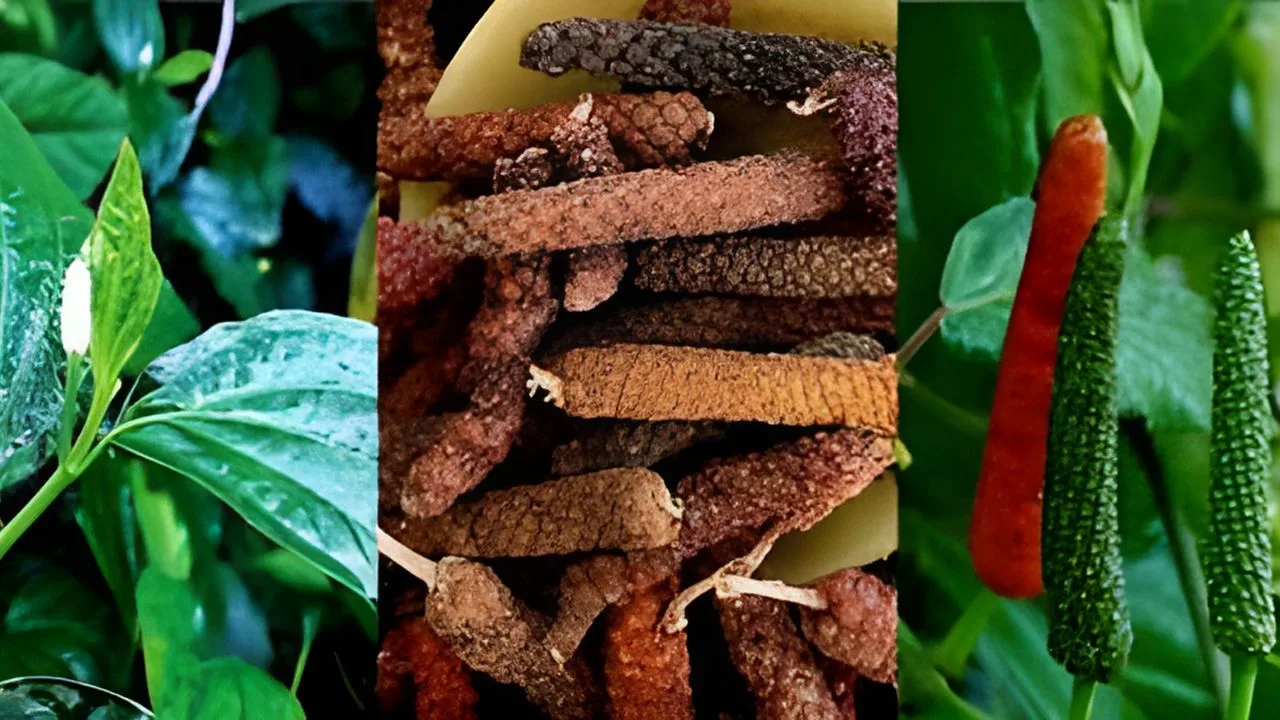
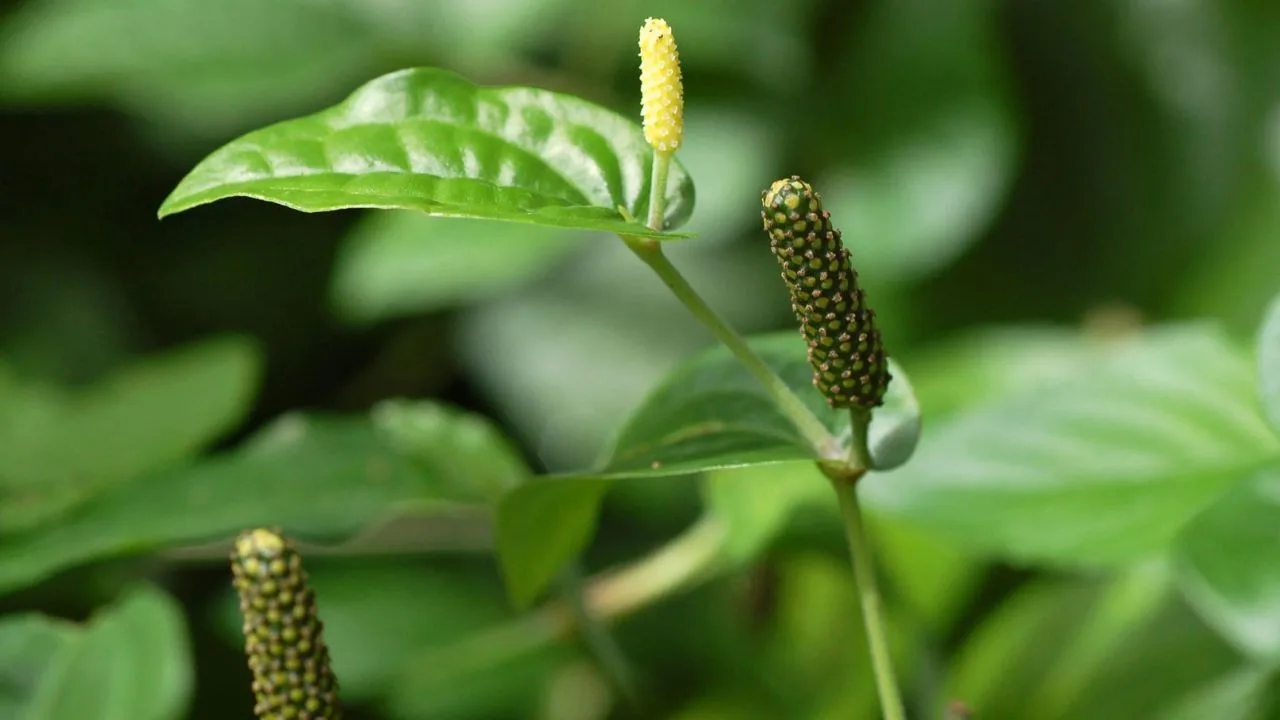
Introduction and Origin of Pippali Herbs
Pippali (also known as Long Pepper) is one of the most important and ancient herbs in traditional medicine, particularly in Ayurveda.
Here is an introduction and overview of its origin:
Introduction to Pippali (Long Pepper)
Feature | Description |
Botanical Name | Piper longum |
Family | Piperaceae (The pepper family, related to black pepper) |
Common Names | Pippali (Sanskrit/Hindi), Long Pepper, Indian Long Pepper |
Description | It is a slender, aromatic, perennial climbing vine. The part used as a spice and medicine is the dried, mature, cylindrical fruit spike (which looks similar to a catkin or small cone). |
Key Compound | It contains piperine, the same compound that gives black pepper its pungency, but Pippali has a distinct, sweeter, and more pungent taste profile. |
Significance | It is a cornerstone herb in Ayurveda, revered as a Rasayana (rejuvenator and anti-aging herb), and is famously one of the three ingredients in the classic Ayurvedic formula Trikatu (along with ginger and black pepper). |
Names in Different Languages of Pippali Herbs:
Language | Name(s) | Notes |
English | Long Pepper | Also known as Indian Long Pepper. |
Hindi | Pippali (पिप्पली) | Also commonly called Pīpal (पीपल) or Pīplī (पीपली). |
Bengali | Pipul (পিপুল) | Also sometimes referred to as Piplamor (the root of the plant). |
Urdu | Pipul (پیپل) | The pronunciation is similar to the Hindi name. |
Arabic | Dār Fulful (دار فلفل) | This name translates literally to “Long Pepper” or “Wood/Branch Pepper” and is used in traditional Arabic/Unani medicine contexts. |
Origin and Distribution
Ancient Origin
- Native Region: Pippali is native to India and parts of Southeast Asia.
- Historical Context: The earliest references to Pippali are found in ancient Vedic texts in India, such as the Atharva Veda, where it is mentioned for its health benefits.
- Global Spread: It was one of the most valuable early Indian exports. It spread to the Western world through trade, reaching Greece by the 6th century BC, where the physician Hippocrates used it in his therapeutic practice.
Geographical Distribution Today
Pippali thrives in tropical and subtropical regions. In India, it is primarily found in the hotter parts, including:
- The central Himalayas to Assam.
- The Khasi and Mikir hills.
- The forest regions of the Western Ghats (from Konkan to Kerala).
The confusion between Pippali (Piper longum) and black pepper (Piper nigrum), which are from the same family, made Pippali a less common spice in Europe after the discovery of the Americas and the easier-to-cultivate chili peppers. However, it has maintained its immense importance in traditional Indian and Nepali cuisine and medicine.
Botanical Features of Pippali Herbs:
The botanical name for Pippali is Piper longum (commonly known as Long Pepper). It belongs to the Piperaceae family.
Here are the main botanical features of the Pippali herb:
General Features
- Habit: It is a slender, aromatic, perennial climbing or creeping vine (climber).
- Root: It has woody, creeping, and branched perennial roots. The dried root and lower stem are sometimes referred to as Pippali Moola.
- Stem: The stems are creeping, jointed, and often swollen at the nodes.
Leaves
- Arrangement: The leaves are generally alternate.
- Shape & Size: They are typically ovate (egg-shaped) or heart-shaped (cordate). The lower leaves are larger and have long petioles (leaf stalks), while the upper leaves are smaller, nearly sessile (without a stalk), and may clasp the stem.
- Color: They are dark green and shiny on the upper side, and pale green underneath.
Flowers and Fruit
- Flowers: The flowers are tiny, greenish, and unisexual (male and female flowers are borne on separate plants, meaning it is dioecious). They are arranged in solitary, erect, cylindrical spikes that grow opposite the leaves.
- Fruit (The main medicinal part):
- Structure: The fruit is a compound fruit that consists of many minuscule drupes (small, fleshy fruits) embedded in the surface of the floral spike, giving it a characteristic elongated, catkin-like appearance.
- Appearance: The fresh, immature spikes are firm and blackish-green. They are harvested before ripening.
- Dried Fruit: When dried, they become dark brown or black and are the Long Pepper spice and medicine widely used in Ayurveda.
Medicinal Importance Pippali Herbs:
Pippali (Long Pepper) Medicinal Importance
Pippali, botanically known as Piper longum and commonly called Long Pepper, is a highly valued and revered herb in Ayurveda and other traditional medicine systems. It is known for its pungent taste and warming nature, primarily helping to balance the Vata and Kapha doshas.
Its medicinal importance is vast, centered around its primary actions as a digestive stimulant, respiratory rejuvenator, and bio-enhancer.
Key Medicinal Benefits of Pippali
1. Respiratory Health
Pippali is perhaps most famous for its action on the respiratory system.
- Expectorant and Decongestant: It helps to loosen and expel excess mucus and phlegm from the respiratory tract, making it beneficial for cough, cold, and congestion.
- Relief from Ailments: Traditionally used to manage symptoms of asthma and bronchitis due to its bronchodilator and anti-asthmatic properties.
- Rejuvenator (Rasayana): It acts as a rejuvenative for the lungs, helping to strengthen respiratory function.
2. Digestion and Metabolism
It plays a crucial role in enhancing the digestive fire, or Agni.
- Stimulates Agni: Helps to kindle the digestive fire, promoting better digestion and absorption of nutrients.
- Relief from Digestive Issues: Used for indigestion, flatulence (gas), and bloating by regulating gut motility and preventing ‘Ama’ (toxin) formation.
- Metabolism Support: It is known to boost the body’s metabolism, which is often cited as a benefit in healthy weight management programs.
3. Bio-Enhancer and Rejuvenation
- Enhances Bioavailability: One of its unique properties is the ability to increase the absorption and effectiveness of other herbs and medications, which is why it is often included in complex Ayurvedic formulations (like Trikatu – a mix of Pippali, Black Pepper, and Ginger).
- Rasayana (Rejuvenative): In certain traditional preparations (like Vardhamana Pippali Rasayana), it is used to promote overall vitality, longevity, and to strengthen the body’s natural defense system.
4. Other Important Actions
- Immunomodulatory and Antioxidant: Rich in compounds like piperine, it possesses properties that help strengthen the immune system and protect cells from oxidative stress.
- Anti-inflammatory and Analgesic: It is traditionally used to help reduce inflammation and pain, such as in conditions like arthritis and general aches.
- Detoxification: It supports the liver and spleen in cleansing the body by helping to flush out toxins (Ama).
Important Note
Pippali has a Ushna (heating) potency. While beneficial for Vata and Kapha imbalances, it can potentially aggravate the Pitta dosha if used in excessive quantities or for very long periods.
Medicinal Uses of Different Parts:
Pippali (Piper longum), also known as Long Pepper, is a highly valued herb in Ayurveda, and its primary medicinal parts are the fruit (Pippali) and the root (Pippali Mool or Pippalamul).
Both parts are generally pungent (Katu) in taste and hot (Ushna) in potency, primarily balancing Vata and Kapha Doshas, but they have distinct applications.
Pippali (The Fruit)
The dried, unripe fruit is the most commonly used part of the plant and is often called “Pippali.”
System/Condition | Medicinal Uses (Ayurvedic & General) | Key Properties |
Respiratory System | Excellent for chronic cough, cold, asthma, and bronchitis. It acts as a decongestant, bronchodilator, and expectorant, helping to clear mucus and strengthen the lungs (Rasayana for lungs). | Balances Kapha & Vata, Expectorant, Rejuvenative |
Digestive System | Powerful digestive stimulant (Deepan), increases appetite, and aids in the digestion of metabolic toxins (Ama Pachana). Useful for indigestion, gas, flatulence, and constipation. | Deepana (Appetizer), Pachana (Digestive), Carminative |
Metabolism & Immunity | Boosts metabolism and supports healthy weight management. Used as a Rasayana (rejuvenator) to enhance overall vitality and strengthen the immune system against infections. | Ushna (Hot), Rasayana (Rejuvenative), Immunomodulatory |
Liver Health | Supports liver function and aids in detoxification; beneficial for conditions like fatty liver and jaundice. | Hepatoprotective |
Bioavailability | The active compound piperine acts as a bioavailability enhancer, meaning it helps the body better absorb and utilize other herbs or medications when taken together. | Bio-enhancer |
Pippali Mool (The Root)
The root (Pippali Mool) is also highly medicinal and often used for deeper, more entrenched Kapha and Vata imbalances.
System/Condition | Medicinal Uses (Ayurvedic & General) | Key Properties |
Digestion | Stronger effect on stimulating digestive fire (Agni) than the fruit. Useful for indigestion, bloating, anorexia, and specific abdominal disorders (Gulma – abdominal tumors/masses). | Deepana (Appetizer), Pachana (Digestive), Vata-balancing |
Inflammation & Pain | Traditionally used for its anti-inflammatory and analgesic properties, especially in conditions like rheumatoid arthritis and other joint pains. | Anti-inflammatory, Analgesic |
Spleen Health | Highly valued in Ayurveda for supporting and managing disorders of the spleen (Pliha Roga/Pleehanut). | Spleen-protective |
Vata Disorders | Effective in pacifying Vata, thus useful in Vata-imbalance disorders like neuralgia, paralysis, and abdominal colic pain. | Vata-balancing |
Important Caution (Pitta Dosha)
While Pippali balances Kapha and Vata, its hot potency (Ushna Virya) means that excessive or prolonged use can aggravate Pitta Dosha, potentially leading to symptoms like hyperacidity, heartburn, or inflammation. It is best to use Pippali and Pippali Mool under the guidance of a qualified Ayurvedic practitioner.
Dosage and Usage Guidelines:
Pippali, or Long Pepper (Piper longum), is a highly valued herb in Ayurveda, primarily known for its benefits to the respiratory and digestive systems.
It is crucial to consult a qualified Ayurvedic practitioner before starting any prolonged regimen with Pippali, as the dosage can vary significantly based on your individual constitution (Dosha), the specific health condition, and its strength.
Here are the general dosage and usage guidelines for Pippali (Long Pepper) in its common forms:
General Dosage Guidelines
Form of Pippali | General Recommended Adult Dosage | Administration Notes |
Pippali Powder (Churna) | 500 mg to 1 gram (approx. $1/4$ to $1/2$ teaspoon) | Typically taken once or twice a day. The most common vehicle (Anupana) is honey or warm water. |
Decoction (Kwath) | 15-30 ml, twice a day. | Prepared by boiling the herb in water. |
Tablets / Capsules | 250 mg to 500 mg per day | Follow the instructions of an Ayurvedic practitioner or the product label. |
Paste (Lepa) | For external application only. | Mix the powder with sesame oil or ghee to form a paste for joint pain or inflammation. |
Common Usages and Remedies
Health Concern | Traditional Home Remedy (Consult a Vaidya) | Purpose |
Cough & Cold | Mix $1/2$ teaspoon of Pippali powder with honey. | To relieve cough, clear congestion, and soothe the throat. Take twice daily. |
Indigestion / Gas | Add a pinch of Pippali powder to buttermilk or warm water after meals. | To stimulate digestive fire (Agni) and reduce bloating. |
Respiratory Health | Pippali powder mixed with turmeric and honey. | To strengthen lung function and clear excess mucus (Kapha). |
Immunity / Metabolism | A small amount of Pippali with warm milk before bed, or in the form of Trikatu (Pippali, Black Pepper, Ginger). | To boost the immune system and enhance metabolic rate. |
Important Precautions
- Pitta Aggravation: Pippali has a naturally heating effect (Ushna Virya) and a pungent taste. Excessive or prolonged use can aggravate Pitta Dosha, potentially leading to symptoms like acidity, heartburn, gastritis, or mild skin rashes.
- Pregnancy & Lactation: It is generally advised to avoid Pippali during pregnancy and breastfeeding unless specifically prescribed and monitored by a qualified healthcare provider.
- Drug Interactions: Pippali contains piperine, which can significantly increase the absorption (bioavailability) of certain medications, potentially increasing their effects or side effects. If you are taking any allopathic or other medications (especially for diabetes, blood clotting, or liver conditions), consult your doctor before using Pippali.
- Pippali Rasayana (Rejuvenation Therapy): This specific therapeutic method involves a complex, long-term regimen of gradually increasing and then decreasing the dose (Vardhamana Pippali). It must be performed under the strict guidance of an Ayurvedic physician and often requires a special diet.
Benefits of Pippali (Long Pepper):
Pippali is categorized as a Rasayana (rejuvenative) in Ayurveda and is particularly effective in balancing the Kapha and Vata doshas.
Category | Key Benefits (Actions) | Traditional Uses |
Respiratory Health | Expectorant, Decongestant, Bronchodilator | Highly effective for treating cough, cold, asthma, bronchitis, and sinusitis. It helps loosen and expel thick mucus from the lungs and nasal passages. |
Digestive Health | Deepan (Appetizer), Pachan (Digestive), Carminative | Stimulates Agni (digestive fire), improving appetite and digestion. Relieves bloating, gas, indigestion, and constipation. Helps flush out Ama (toxins). |
Metabolism & Absorption | Bioavailability Enhancer | The presence of piperine significantly enhances the absorption and potency of other herbs, nutrients, and medications. It is often used in formulas for this reason. |
Rejuvenation & Immunity | Rasayana, Immunomodulator, Antioxidant | Rejuvenates tissues, especially the lungs. Boosts the immune system, fights infections, and provides antioxidant protection. It’s often used in formulas like Chyawanprash. |
Other Uses | Anti-inflammatory, Analgesic | Useful in managing conditions like arthritis and general pain/inflammation. It is also cited for potential benefits in weight management (by boosting metabolism) and supporting liver function. |
Disadvantages and Precautions (Side Effects):
Pippali is a very potent herb, and its main disadvantage stems from its naturally hot (Ushna) and pungent (Katu) potency. Excessive or long-term, continuous use is generally cautioned against.
1. Aggravation of Pitta Dosha
The most significant risk is that overconsumption can increase Pitta (the fire/metabolic dosha), leading to:
- Heartburn and Acidity: Burning sensations in the stomach or chest.
- Gastric Irritation: Nausea or general digestive discomfort.
- Excessive Body Heat: Symptoms of high body temperature or skin irritations (rashes).
2. Potential for Drug Interactions
Due to the compound piperine, Pippali can affect how the body processes certain medications by altering their absorption (bioavailability). This can potentially increase the effect or side effects of those drugs.
- Blood Thinners: Pippali might slow blood clotting, increasing the risk of bruising or bleeding when taken with anticoagulant/antiplatelet drugs.
- Other Medications: Caution is advised when taking it with certain drugs like Phenytoin, Propranolol, or Theophylline. Always consult a doctor if you are on prescribed medication.
3. Contraindications (When to Avoid)
Pippali should generally be avoided or used with extreme caution and under expert guidance in the following conditions:
- High Pitta Conditions: If you have severe acidity, peptic ulcers, or inflammatory bowel conditions.
- Pregnancy and Breastfeeding: It is typically advised to avoid it during pregnancy and lactation.
- Bleeding Disorders: Due to its potential effect on blood clotting.
Key Takeaway: Pippali is a medicine, not just a spice. It is safe and highly beneficial when used in the correct dosage and for the appropriate period, often combined with cooling agents (like ghee or honey) to balance its heating effect, but prolonged or excessive use is not recommended.