
Change Language
Indrajav
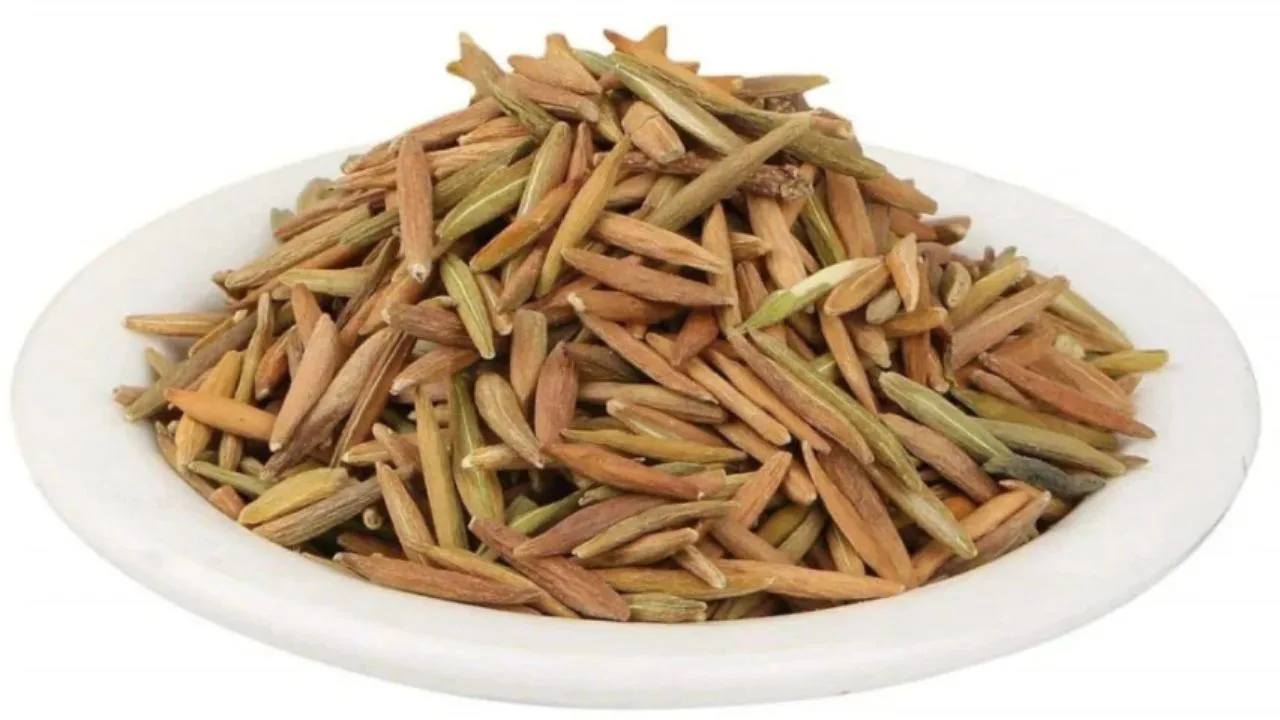
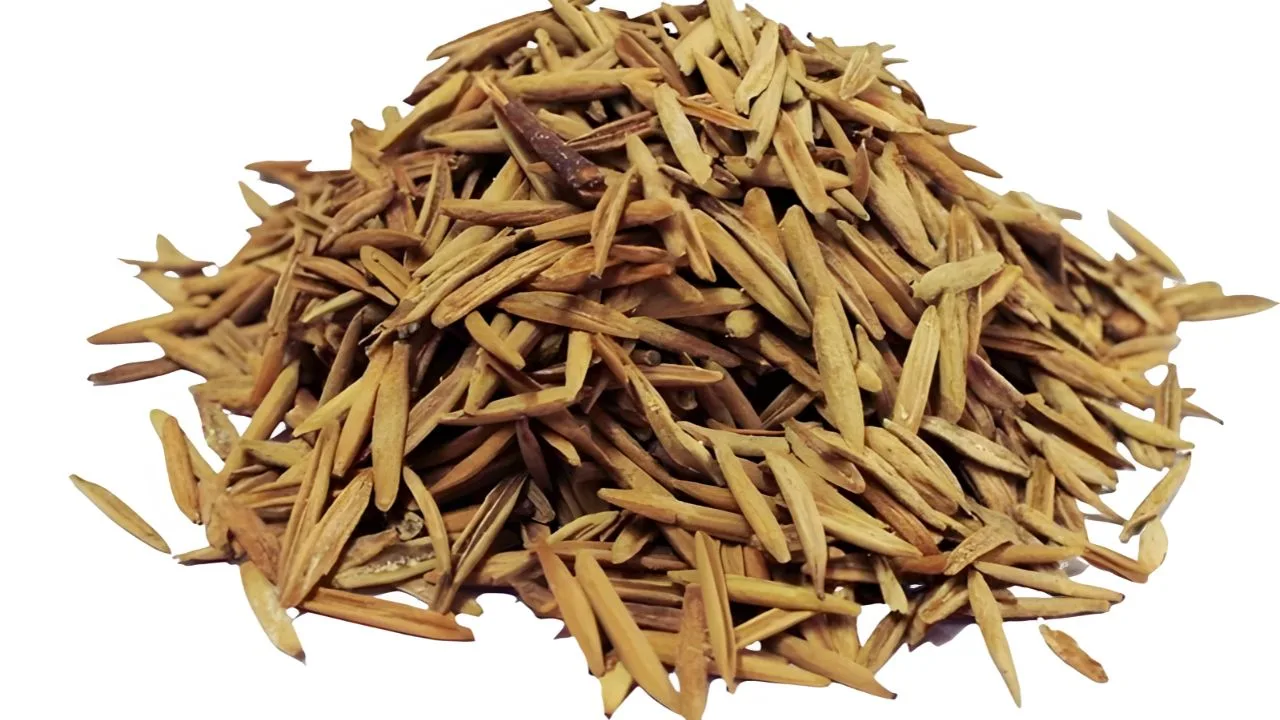
Indrajav: Introduction and Origin
Introduction:
Indrajav is a small to medium-sized medicinal shrub or tree, primarily found in subtropical and tropical regions. The bark, leaves, seeds, and flowers of this plant are rich in medicinal properties. The plant remains green throughout the year, and in spring, it produces small white flowers.
Leaves: Opposite, oval-shaped, smooth, and dark green.
Flowers: Small, white, and fragrant.
Seeds: Slender, elongated, brown, with silk-like fibers.
Origin and Distribution:
Indrajav naturally grows in India, Nepal, Bangladesh, Sri Lanka, Myanmar, and Southeast Asia.
In India, it is commonly found in forested areas, hilly slopes, and near villages.
In Bangladesh, it grows naturally in hilly and forested regions and is also cultivated in medicinal gardens.
Common Uses:
The bark and seeds of Indrajav have been used for centuries in Ayurveda, Unani, and folk medicine, particularly for digestive problems, worms, and diarrhea.
Names in Different Languages:
Bengali: Indrajav / Indrajab
Scientific Name: Holarrhena antidysenterica (syn. Wrightia antidysenterica)
English: Indrajav
Hindi: कुटज (Kutaj) / इंद्रजव (Indrajav)
Urdu: इन्द्रजव / इन्द्रजव का बीज (“Inderjav” or “Inderjav ke beej”)
Arabic: إندراجاف (Indrajaf) / بذور الإندراجاف (Indrajaf seeds)
Family: Apocynaceae
Botanical Features of Indrajav
Indrajav is an important medicinal plant widely used in Ayurveda and folk medicine. Its scientific name is Wrightia tinctoria and belongs to the Apocynaceae family.
Characteristics:
Height & Structure: 3–10 meters; straight, smooth, gray bark.
Leaves: Opposite, oval or oblong, bright green, smooth edges.
Flowers: Small, white, clustered at branch tips; mildly fragrant; bloom in spring.
Fruit: Slender, pod-like, usually in pairs; upon ripening, they split to release silky white seeds.
Seeds: Elongated, brown or dark, with white silky fibers for wind dispersal.
Medicinal Importance of Indrajav
Indrajav is highly valued in Ayurveda, Unani, and folk medicine. Its seeds, bark, leaves, and roots are all rich in medicinal compounds.
Key Uses:
Digestive Disorders: Effective for dysentery, diarrhea, abdominal pain, and digestive issues. Bark or powdered seeds taken with warm water help alleviate stomach ailments.
Antimicrobial: Natural compounds kill bacteria and parasites, helping treat intestinal infections.
Fever & Infections: Traditionally used to reduce body heat and treat malaria or viral fevers.
Blood Purification: Extracts help cleanse the blood, aiding in skin issues and allergies.
Diabetes Management: Some studies suggest it can help reduce blood glucose levels.
Digestive Strength: Improves digestion, reduces gas, bloating, and constipation.
Precautions:
Pregnant or breastfeeding women should use only under medical advice.
Overconsumption may cause vomiting, nausea, or lowered blood pressure.
Proper dosage should follow Ayurvedic guidance.
Ayurvedic Properties and Uses
Ayurvedic Qualities:
Taste (Rasa): Bitter
Properties (Guna): Light, dry
Potency (Virya): Cooling
Post-digestive effect (Vipaka): Pungent
Dosha effect: Primarily balances Pitta and Kapha
Medicinal Uses:
Dysentery & Diarrhea: Seeds and bark are effective for bloody dysentery, general diarrhea, and bacterial intestinal infections.
Fever & Parasites: Acts as a febrifuge; kills intestinal worms.
Digestive Health: Bark powder or decoction aids digestion and relieves bloating, nausea, or discomfort.
Skin Disorders: Applied externally for eczema, rashes, or itching.
Diabetes: May help regulate blood sugar.
Liver Tonic: Decoctions improve liver function.
Usage Methods:
Bark Powder: 2–3 g, twice daily with warm water.
Decoction (Kashayam): 20 g bark in 4 cups water, reduced to 1 cup, then strained and consumed.
Seed Powder: 1–2 g for dysentery or worms.
External Application: Paste or decoction for skin issues.
Dosage Guidelines:
| Form | Adult Dosage | When to Take |
|---|---|---|
| Seed Powder | 1–3 g, 2–3 times/day | After meals with warm water or honey |
| Bark Powder | 3–6 g, 2 times/day | With warm water |
| Decoction | 50–100 ml, 2 times/day | Before or after meals |
Side Effects:
Stomach discomfort or burning sensation
Nausea or vomiting
Dehydration if overused
Blood pressure may decrease
Risky for pregnant or breastfeeding women
Rare allergic reactions: rash, itching, respiratory issues
Scientific Information and Research
Antidiarrheal: Conessine alkaloid in the bark effective against Entamoeba histolytica and other pathogens; clinical trials show rapid recovery in dysentery patients.
Antimicrobial: Effective against E. coli, Shigella, Staphylococcus aureus.
Anti-inflammatory & Antioxidant: Reduces inflammation and free radicals in animal studies.
Antidiabetic Potential: May help reduce blood glucose.
Antihelminthic: Seed compounds kill intestinal worms.
Precautions:
Excessive use can cause nausea, vomiting, and stomach problems.
Pregnant and breastfeeding women should avoid without medical advice.
Always consult a doctor before prolonged use.
Benefits of Indrajav
Treats diarrhea and dysentery
Kills intestinal worms
Improves digestion and reduces bloating
Purifies blood
Reduces fever and inflammation
Helps in skin issues like eczema or wounds
May support blood sugar management
Side Effects of Indrajav
May affect blood pressure and heart function
Can disrupt hormonal balance with long-term use
Overconsumption may cause excessive sexual arousal or discomfort
Long-term use may strain liver and kidneys
Possible drug interactions, e.g., with blood thinners or antihypertensives
Caution:
Pregnant or breastfeeding women should avoid use without medical guidance.
Consult a physician before long-term use or if suffering from chronic illnesses.