
Change Language
Nut Grass
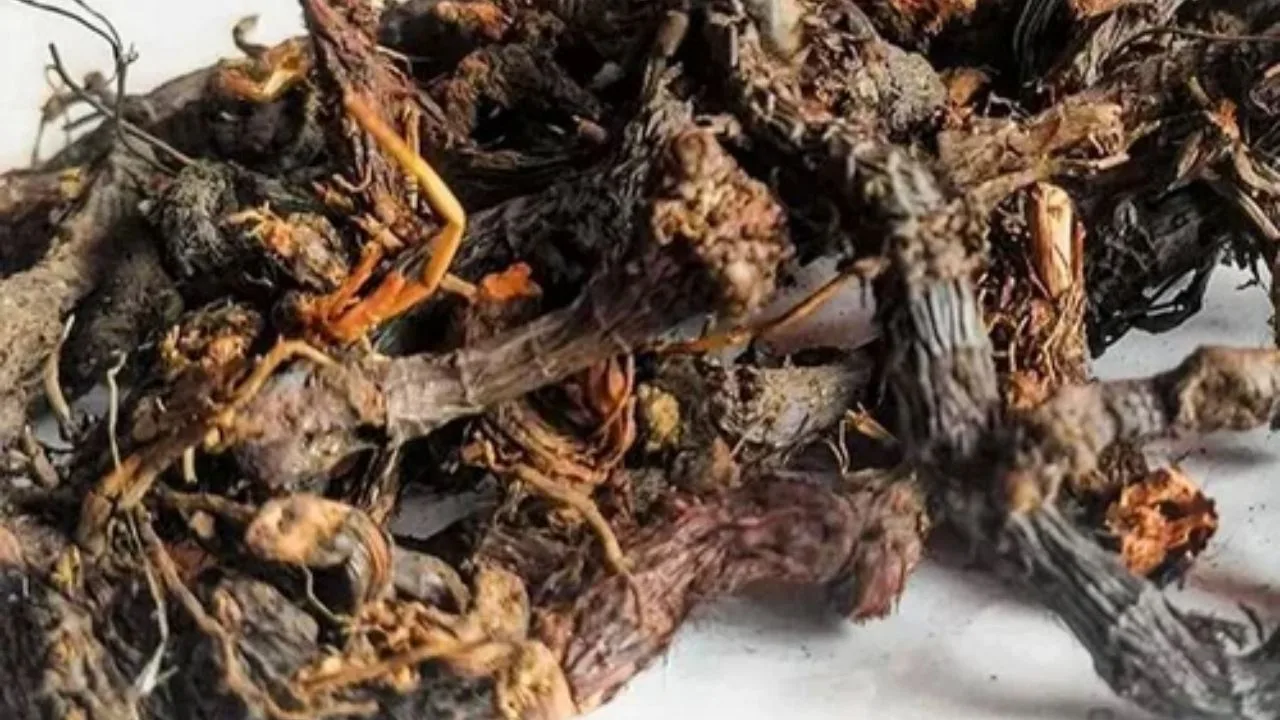

Introduction and Origin of Nagarmotha
Nagarmotha (English: Cyperus rotundus) is primarily a grass-like plant widely used in traditional medicine and herbal treatments. It grows in many regions worldwide, especially in rural areas of India.
Scientific Name: Eclipta prostrata
Common Names: Nagarmotha, Vitani, Kalmuga
Family: Asteraceae (Compositae)
Plant Characteristics:
The plant spreads across the ground and has small green leaves.
Typically grows to 30–60 cm in height.
Produces small white flowers used in Ayurvedic and medicinal practices.
Often found in wetlands, pondsides, drainage areas, or damp soil.
Origin/Distribution:
Native to tropical regions.
Commonly found in India, Sri Lanka, and Southeast Asian countries.
Mentioned in Indian Ayurvedic texts for centuries.
Uses:
In Ayurveda, used for liver strengthening, hair care, blood purification, and reducing inflammation.
Widely included in hair oils and medicinal formulations.
Names in Other Languages:
Family: Apocynaceae
Bengali: নাগোরমোথা / Nagermotha
English: Nut Grass, Purple Nutsedge
Urdu: خشخاش or سوہانجنا
Arabic: الحلبة الجبلية (Al-Hilbah Al-Jabaliyah)
Characteristics of the Nagarmotha Plant
General Features:
Type: Large perennial shrub or small plant
Height: 4–6 meters
Stems: Strong and dense
Leaves: Large, green, somewhat fleshy
Flowers & Fruits:
Flowers: Small, white or light lilac, fragrant
Fruit: Cylindrical with seeds inside, covered with light latex
Special Features:
Latex: Milky sap present in all parts, which can be toxic or caustic
Soil Preference: Thrives in dry and fertile soil
Reproduction: Via seeds or cuttings
Uses:
Medicinal: Used in Ayurveda for foot pain, infections, skin disorders, cough, and cold
Biotechnology: Latex used for glue, rubber, or fuel
Others: Fiber or bamboo-like wood production
Herbal Significance of Nagarmotha
Nagarmotha (not to be confused with water pepper) is primarily used for its herbal and medicinal benefits:
Digestive Health: Enhances digestion, helps with indigestion, bloating, and gas.
Blood-Related Benefits: Reduces bleeding, purifies blood, and prevents infections.
Antiseptic & Anti-inflammatory: Natural antiseptic properties help prevent bacterial infections and reduce swelling.
Diarrhea & Digestive Disorders: Useful for diarrhea, intestinal pain, and abdominal discomfort.
Urinary & Reproductive Health: Helps with urinary infections and some reproductive issues.
Anti-Fungal Properties: Contains phytochemicals that control fungi and microbes in wet areas.
Caution: Excessive or irregular use may cause allergies or digestive issues. Consult a qualified herbalist or Ayurvedic doctor before use.
Ayurvedic and Medicinal Uses of Nagarmotha
Nagarmotha (Acorus calamus, “Sweet Flag”) is widely used in Ayurveda for multiple purposes:
Ayurvedic Properties:
Balances Kapha and Pitta doshas
Nature: Warm and slightly dry, strong fragrance
Key Actions:
Deepana: Improves digestion
Pachana: Enhances digestive process
Medhya: Boosts brain and memory
Vishaghna: Detoxifies
Hridya: Supports heart health
Medicinal Uses:
Digestive Issues: Reduces bloating, indigestion, and stomach discomfort
Nervous System: Enhances memory and cognitive function
Respiratory Problems: Helps with cough, cold, and mucus
Antimicrobial: Controls bacterial and fungal infections
Mental Health: Improves calmness and reduces anxiety
Usage Form:
Root (fresh or dried), powdered or in juice form
Often mixed with other Ayurvedic medicines
Caution: Overconsumption can cause vomiting, overstimulation, or blood pressure issues. Pregnant women should avoid or consult a doctor.
Consumption Guidelines
Dosage:
Dried root powder: 2–5 grams per day for adults
Fresh root: 10–20 grams per day
Timing: 1–2 times a day, preferably before meals
Precautions: Pregnant or lactating women should consult a doctor. Excessive use can cause digestive or respiratory issues.
Side Effects
Digestive: Nausea, vomiting, diarrhea, or indigestion
Taste: Bitter or pungent
Allergic Reactions: Rare cases of rash or irritation
Blood & Hormonal Effects: High doses may reduce blood pressure
Drug Interactions: May interfere with blood-thinning medications or immunosuppressants
Recommended Dose: 300–600 mg daily, adjusted by a doctor or herbalist.
Ayurvedic and Homeopathic Relevance
Ayurvedic:
Properties: Bitter, pungent, slightly warm
Dosha Effect: Balances Kapha and Pitta
Uses: Digestion, intestinal issues, skin diseases, menstrual health, energy, detoxification
Homeopathic:
Main preparation: Mother tincture, potencies 6X, 30C, 200C
Used for: Digestive disorders, menstrual issues, mental stress, skin inflammation
Dosing: Based on individual symptoms
Caution: Professional guidance is essential, especially during pregnancy or chronic illness.
Benefits
Controls pests (in some species)
Purifies air and environment (minor effect)
Educational and research use in carnivorous plant studies
Ornamental plant
Limited medicinal properties in research
Disadvantages
Risk during pregnancy: May increase miscarriage risk
Digestive issues: Overuse can cause nausea, diarrhea, or bloating
Blood-related issues: May thin blood, risky for bleeding disorders
Liver or kidney impact: Prolonged excessive use can strain organs
Allergies: Skin rashes, itching, or breathing problems in sensitive individuals
Advice: Always consult a doctor before using Nagarmotha, especially for pregnant, lactating, or chronically ill individuals.