
Change Language
Ashwagandha
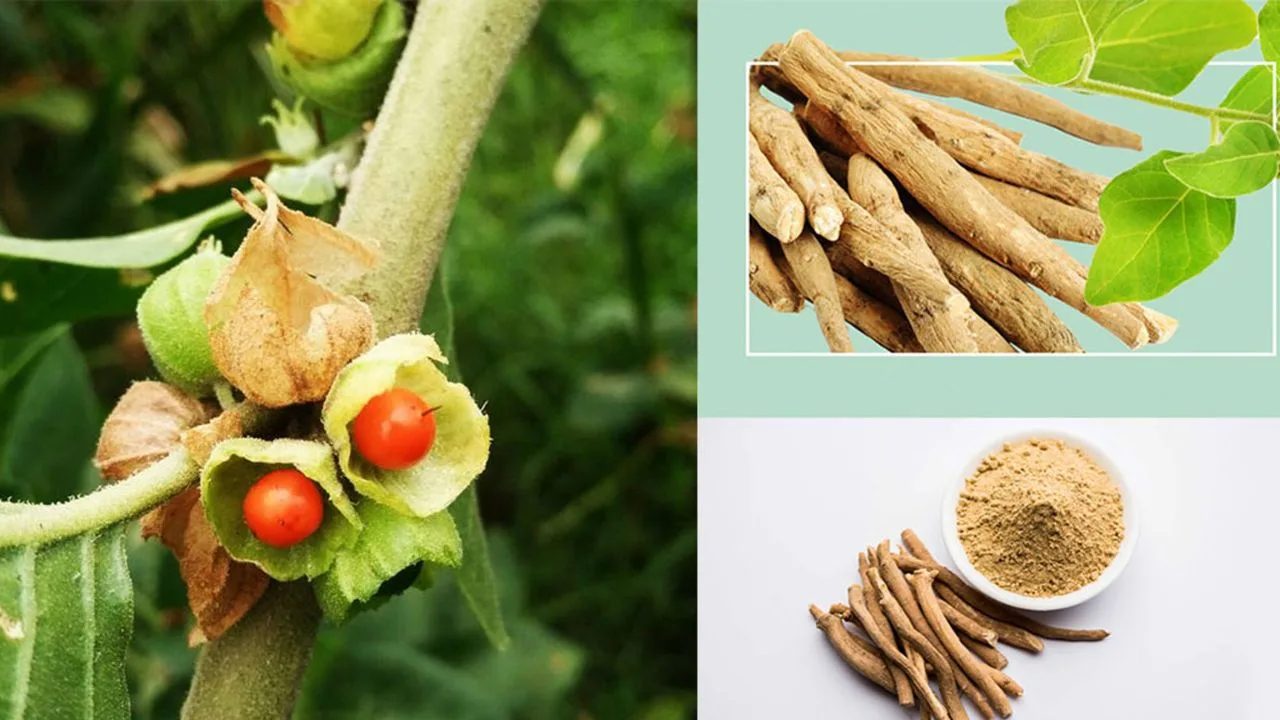
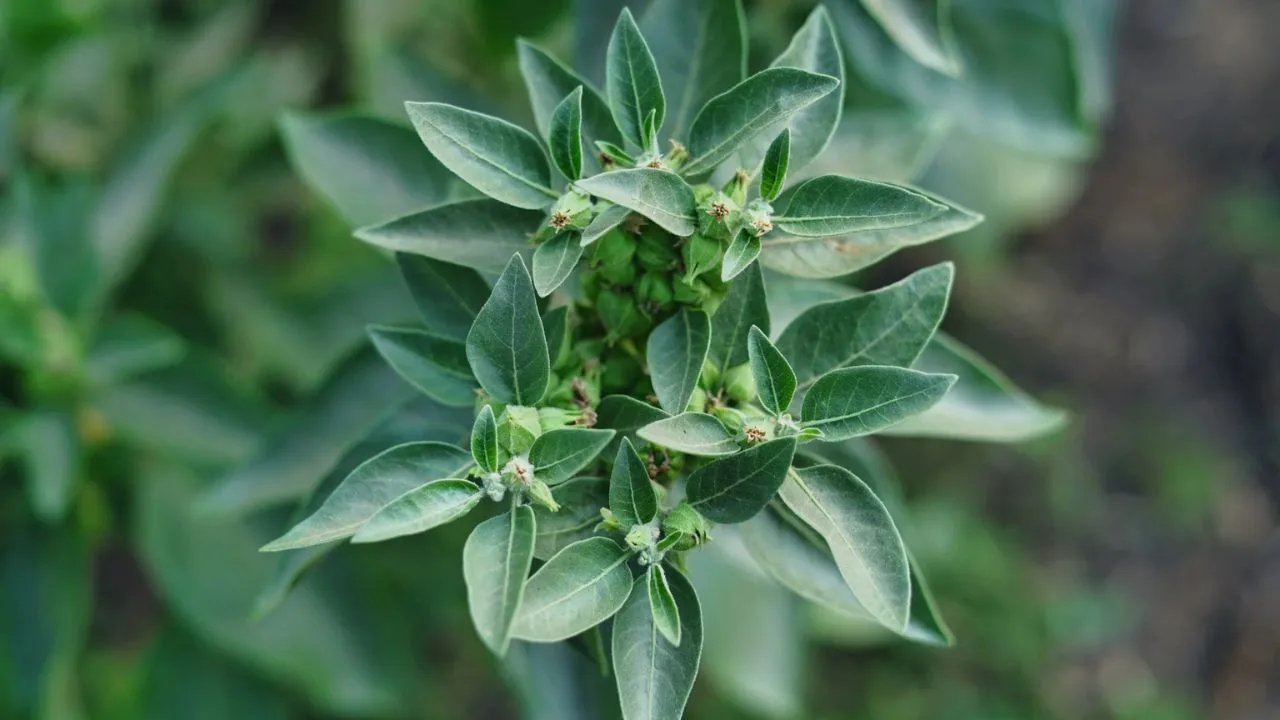
Introduction & Origin of Ashwagandha
Ashwagandha (scientific name: Withania somnifera) is a famous Ayurvedic medicinal herb belonging to the Solanaceae family. In Sanskrit, “Ashwa” means horse and “Gandha” means smell, referring to the root’s strong horse-like odor. According to Ayurveda, Ashwagandha provides the body with strength, stamina, and endurance like a horse, which is why it is named so.
Names in different languages:
Bengali: অশ্বগন্ধা
English: Ashwagandha / Indian Ginseng / Winter Cherry
Hindi: अश्वगंधा
Arabic: اشواغاندا / جنسنغ هندي (Indian Ginseng)
Urdu: اشواگندھا
Plant Characteristics:
A small shrub, approximately 3–4 feet tall.
Leaves are oval-shaped and green.
Fruits are reddish-orange with small seeds inside.
Mostly roots and leaves are used.
Origin & Distribution:
Found mainly in India, the Middle East, and some regions of Africa.
Used for centuries in Indian Ayurveda and Unani medicine.
Currently used worldwide in herbal medicines, supplements, and tonics.
Herbal Importance of Ashwagandha
Ashwagandha is highly valued in Ayurvedic and herbal medicine. Its roots, leaves, flowers, and fruits have been used for centuries to treat various ailments. Its major benefits include:
As an Adaptogen:
Reduces physical and mental stress.
Enhances mental strength and relieves anxiety.
For Physical Strength & Immunity:
Boosts physical strength when taken regularly.
Enhances immunity.
For Nervous System:
Helps with nerve weakness, mental fatigue, and insomnia.
Improves brain function.
For Reproductive Health & Sexual Strength:
Improves sperm quality and quantity in men.
Helps with sexual weakness in both men and women.
For Heart Health & Blood Pressure:
Helps regulate high blood pressure and cholesterol.
Strengthens the heart.
Hormonal & Endocrine Support:
Supports thyroid and adrenal gland function.
Helps maintain hormonal balance.
Anti-Aging:
Known as a “Rasayana” or rejuvenating herb in Ayurveda.
Prevents premature aging, hair graying, and weakness.
Anti-inflammatory & Pain Relief:
Effective for arthritis, joint pain, and inflammation.
For these reasons, Ashwagandha is called “Indian Ginseng” in modern herbal terminology.
Medicinal Uses & Properties
Uses:
Mental Health:
Reduces anxiety and stress.
Improves sleep quality.
Physical Strength & Stamina:
Enhances energy and endurance.
Strengthens muscles, joints, and bones.
Reproductive Health:
Improves sperm count and quality in men.
Helps regulate hormones in both men and women.
Immunity:
Boosts immunity.
Reduces inflammation.
Heart & Blood Pressure:
Lowers cholesterol.
Helps control blood pressure and cardiovascular risk.
Properties:
Anti-stress (reduces cortisol)
Anti-inflammatory
Antioxidant (fights free radicals and aging)
Energy booster
Enhances brain function (memory & learning)
Recommended Usage:
Usually 1–2 grams per day in powder or capsule form.
Avoid high doses for a long period without medical guidance.
Dosage & Consumption
General Dosage:
Capsules/Tablets: 1200–1500 mg per day, split into 2–3 doses with meals.
Powder: 3–6 grams daily, can be mixed with warm milk or water.
Decoction/Tincture: 10–20 ml daily as per Ayurvedic preparation.
Timing:
Usually taken at night or with meals.
For stress relief, taking with milk before bedtime is beneficial.
Precautions:
Avoid during pregnancy and breastfeeding unless advised by a doctor.
People with heart, liver, kidney issues, or hypertension should consult a doctor.
Overconsumption may cause digestive issues, diarrhea, or headache.
Suggested Dosage Table (Age-wise):
| Age / Type | Purpose | Form | Daily Dose | Time / Method |
|---|---|---|---|---|
| 5–12 years | Strength & immunity | Powder | 1–2 g | Morning or night with milk/water |
| 13–18 years | Reduce stress | Capsule/Powder | 1–3 g | With meals or milk at night |
| 18–50 years | Stress, hormones, weight | Capsule/Powder | 3–6 g | Morning or night with milk/water |
| 50+ years | Energy & memory | Powder/Capsule | 2–5 g | Night with milk |
| Pregnant / Nursing | With doctor advice | – | – | Avoid unless prescribed |
| Special goal (Adaptogen) | Stress relief | Decoction/Powder | 1–3 g | With meals or milk at night |
Side Effects
Though generally safe, Ashwagandha may cause:
Digestive issues: nausea, gas, diarrhea.
Sleepiness or dizziness in some individuals.
Blood pressure and blood sugar changes (caution for hypo/hypertensive patients).
Thyroid hormone changes in thyroid patients.
Avoid during pregnancy and breastfeeding.
Always consult a doctor before starting Ashwagandha and monitor the body’s response.
Usage Methods
Forms & Methods:
Powder: 3–5 g daily, mixed with warm milk or honey.
Capsule/Tablets: 1–2 times daily as per doctor.
Lehya / Ghee Mix: Improves immunity, sexual health, and weakness.
Tea/Decoction: Boiled in water.
Oil: For massage to relieve joint pain, nerve weakness, or arthritis.
Precautions:
Excessive consumption can cause stomach issues, diarrhea, or sleepiness.
Pregnant/nursing women should use under medical guidance.
Diabetics or hypertensive patients should consult a doctor.
Modern Medicine Perspective
Stress & Anxiety: Reduces cortisol and mild-to-moderate anxiety.
Energy & Fitness: Acts as an adaptogen, improving stamina.
Immune & Anti-inflammatory: May reduce CRP and inflammation.
Blood Pressure & Sugar Control: Can help with mild type-2 diabetes and hypertension.
Brain & Memory: May improve cognitive function, especially in elderly.
Forms in Modern Use:
Capsules/Tablets: 300–600 mg standardized extract
Powder: mixed with milk or water
Tincture/Syrup: as prescribed
Precautions:
Avoid in pregnancy, breastfeeding, hyperthyroidism, or autoimmune conditions without medical advice.
Possible side effects: insomnia, digestive issues, low blood pressure.
Benefits & Side Effects Summary
Benefits:
Improves mental health: reduces stress, anxiety, improves sleep.
Boosts energy and endurance.
Reduces inflammation.
Supports hormones and reproductive health.
Enhances memory and focus.
Helps regulate blood sugar and blood pressure.
Side Effects:
Gastrointestinal issues: nausea, diarrhea if overused.
Avoid in pregnancy and breastfeeding unless advised.
May affect blood pressure or thyroid in some cases.
Can interact with medications for diabetes, blood pressure, or thyroid.
May cause dizziness or headaches in some individuals.
General Advice:
Adults: 300–600 mg daily as a supplement.
Always take under the guidance of a qualified Ayurvedic practitioner or doctor.