
Change Language
Rose Petal / Golap phul
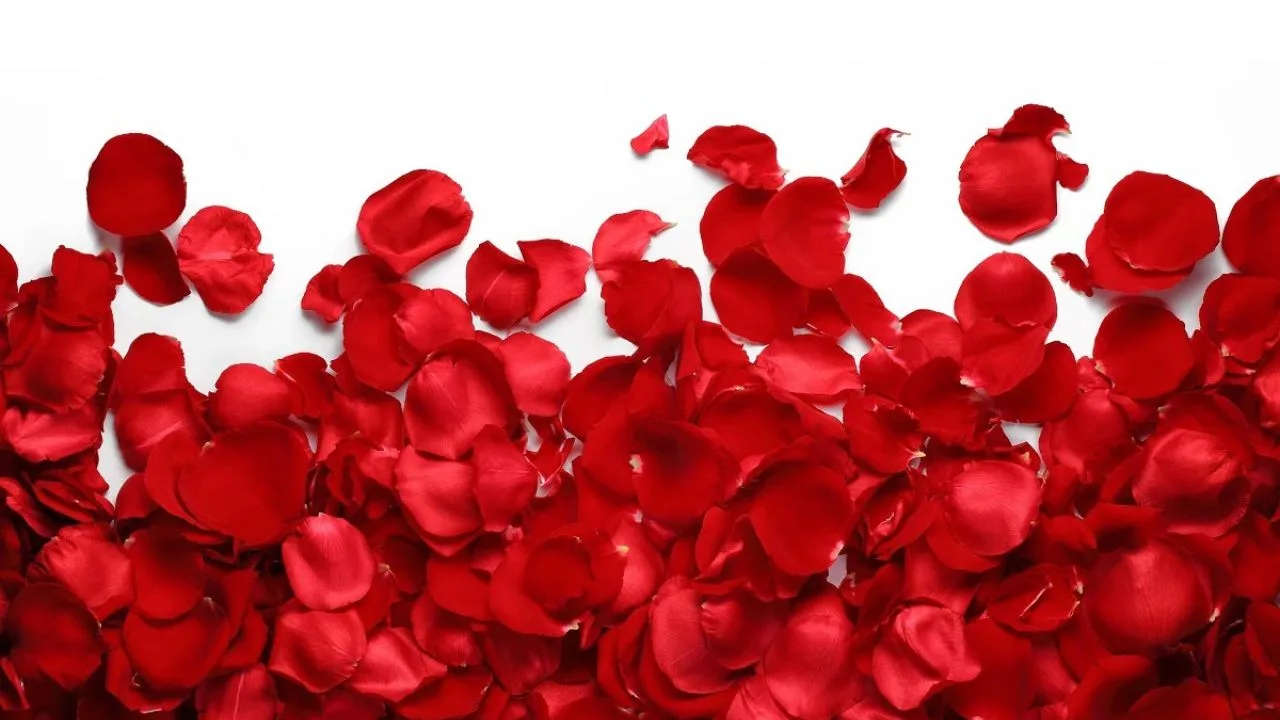
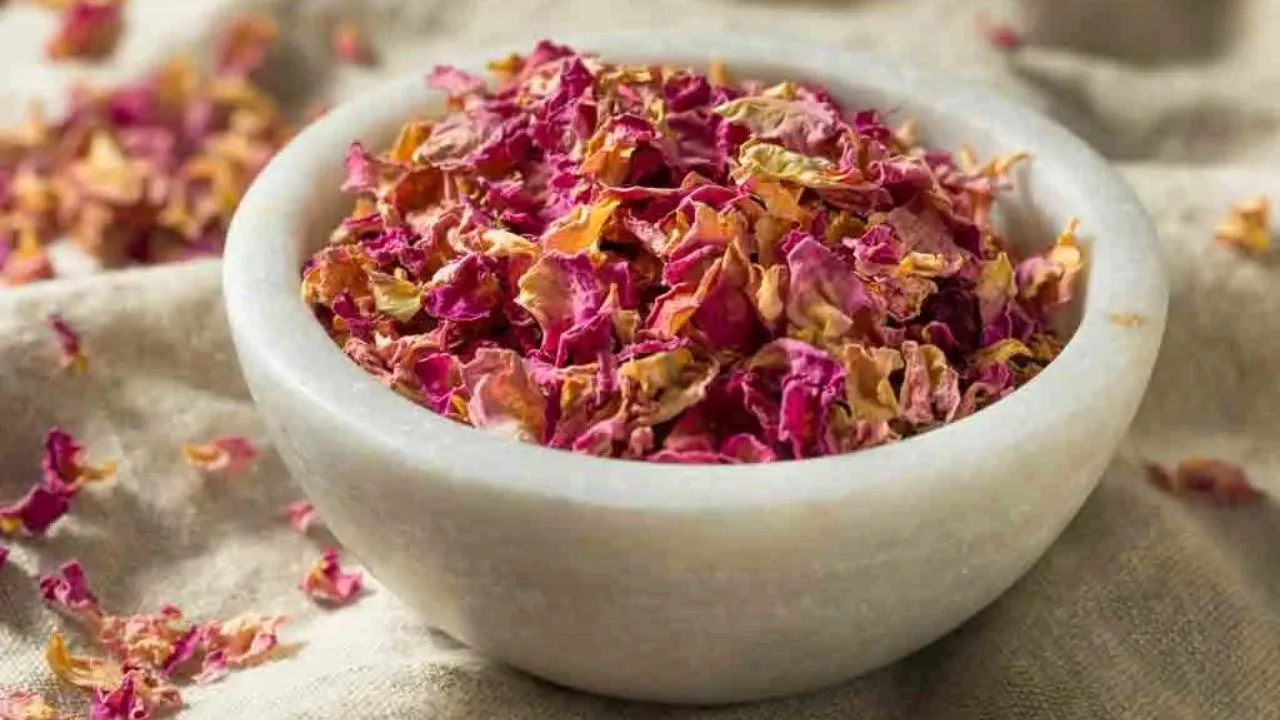
Introduction to Rose Petals:
The Rose Petal is the soft, fragrant, and visually appealing colored outer part of the rose flower. Rose petals from various species (such as Rosa damascena, Rosa centifolia, Rosa gallica) are utilized for diverse purposes.
| Language | Name | Meaning |
| Bengali Name | গোলাপ পাপড়ি (Golap Papri) | Rose Petal |
| Hindi Name | गुलाब की पंखुड़ी (Gulab ki Pankhudi) | Rose Petal |
| English Name | Rose Petal | (Common term) |
| Arabic Name | بتلات الورد (Batlāt al-ward) | Rose Petals |
| Urdu Name | گلاب کی پتیاں (Gulab ki pattiyan) | Rose Petals (plural) |
Medicinal Significance of Rose Petals:
Beneficial for Skin Care: Rose petal paste and water enhance skin radiance, reduce acne, and tighten pores.
Hair Care: Rose petal extract helps reduce hair loss and dandruff.
Soothing Eye Tonic: Rose water relieves eye fatigue and soothes eye irritation.
Helps Reduce Headaches & Stress: The fragrance of roses has a calming effect on the nerves, reducing stress and headaches.
Rich in Antiseptic Properties: It contains natural antibacterial and antiseptic compounds that aid in wound healing.
Aids Digestion: Rose petal syrup improves digestive power and reduces acidity problems.
Eliminates Bad Breath: Chewing rose petals reduces bad breath and provides a fresh feeling in the mouth.
Beneficial for the Heart: Rose petals may help control blood pressure and protect the heart.
Natural Detoxifier: Helps remove toxins from the body, especially rose water.
Aids in Menstrual Relief: Using rose petals provides comfort from irregular periods and lower abdominal pain.
Therapeutic Uses of Rose Petals:
Used in Skincare: Moisturizes the skin, helps reduce acne and rashes, and boosts natural radiance.
Improves Digestion: Rose petal tea enhances digestive power and helps relieve gas and acidity.
Eliminates Bad Breath: Chewing rose petals removes bad breath and various oral germs.
For Eye Comfort: Rose water used in the eyes reduces fatigue and keeps the eyes cool.
Relief from Menstrual Issues: Consuming rose petal extract helps reduce irregular periods and pain.
Mood and Stress Control: The aroma of roses calms the nerves, reducing anxiety and depression.
Detoxification (Toxin Removal): Helps eliminate toxins from the body and keeps the blood clean.
Relief from Fever and Cold: Rose petal decoction or tea is beneficial for mild fever, cold, and sore throat.
Relieves Stomach Ailments and Constipation: Rose petals act as a mild laxative, helping to keep the stomach clean.
Natural Antiseptic: Rose petal juice or paste applied to wounds kills germs and aids quick recovery.
Method and Dosage of Rose Petal Consumption:
Rose Tea: Soak 5-7 dried rose petals in one cup of hot water for 5-7 minutes, then strain and drink. Dosage: 1-2 times a day.
Rose Sharbat (Syrup): Mix 1-2 teaspoons of rose water or rose syrup with a glass of cold water. Dosage: Beneficial to consume once a day in summer.
Rose Petal Powder: Dry and grind the petals. Consume half a teaspoon daily in the morning mixed with honey or lukewarm milk. Dosage: Once a day is sufficient.
Rose Water: Consume 1 teaspoon of rose water before meals for digestive benefits. Dosage: Can be consumed twice a day.
For Curing Ailments (e.g., Acidity or Constipation): Rose petal sharbat or powder can be consumed regularly for 7-10 days.
Internal Cleansing for Skin: Consuming rose tea or rose water daily helps to cleanse and brighten the skin.
Precautions for Rose Petal Consumption:
Do not use chemically treated or artificially fragranced roses.
Pregnant or breastfeeding women should consult a doctor before consumption.
Side Effects of Rose Petal Consumption:
Allergic Reactions: Some people may be allergic to rose petals, which can cause rashes, itching, or hives on the skin.
Stomach Problems: Excessive consumption may lead to gastric issues, stomach pain, or diarrhea.
Blood Pressure Reduction: Rose petals may slightly lower normal blood pressure, which can be problematic for individuals prone to hypotension.
Interactions with Medications: May interact with some medications (especially antihistamines and blood thinners).
Caution During Pregnancy: Pregnant and breastfeeding women should avoid consuming rose petals without a doctor’s advice.
Pesticide and Chemical Residues: If not organic, the pesticides used on the flowers can cause poisoning.
Caution for Diabetics: Sweet items made from rose petals (like Gulkand or syrups) contain sugar, which may be harmful to diabetic patients.
Characteristics, Uses, and Production
Characteristics of Rose Petals:
Fragrant
Soft and delicate texture
Available in various colors (red, pink, white, yellow)
Used in medicinal, cosmetic, food, and perfume industries
Uses of Rose Petals:
In the production of Rose Water (Golab Jal).
In the production of Rose Oil (Attar).
In making sweets (Rose Jam, Gulkand).
As medicine and Ayurvedic products.
In decoration and perfumery.
Production Process (In Brief):
Rose petals are collected and processed using various methods, depending on the final product type.
Cultivation and Collection:
Roses are cultivated by selecting suitable climate and soil.
Petals are collected in the morning (dawn), when the fragrance is strongest.
Petals are separated from the flower.
Cleaning and Drying:
Petals are washed with water to remove dust and dirt.
Dried naturally in shade or mild sunlight (not direct sun, which ruins color and fragrance).
Processing:
Processing varies based on use:
A. Rose Water Production (Distillation Method): Petals and water are heated together in a distillation unit; the vapor is cooled to extract rose water.
B. Rose Oil Production: Large quantities of petals are processed via steam distillation or solvent extraction to obtain rose oil.
C. Gulkand Production: Petals and sugar are placed in layers and kept in the sun for several days. This is a sweet, Ayurvedic processed product.
Rose petals are not only beautiful but also economically and medically significant. Their demand in the fragrance, food, and pharmaceutical industries is worldwide.
Beauty and Practical Applications of Rose Petals
The Beauty of Rose Petals:
Symbol of Natural Beauty: The layering, smooth texture, soft finish, and diverse colors of rose petals express a unique natural beauty. Various colors (red, white, pink, yellow, orange, etc.) express different aesthetics and emotions.
Symbol of Love and Emotion: The rose, especially the red rose, has been used for centuries as a symbol of love, respect, and gratitude.
Fragrance: The mild yet long-lasting fragrance emanating from the petals calms the mind and helps reduce stress.
Cultural and Religious Use: Rose petals are scattered during various religious ceremonies, especially weddings, prayers, or anniversaries, as a symbol of purity and beauty.
Practical Applications of Rose Petals:
Cosmetics and Beauty Enhancement:
Rose Water: Made by boiling petals, rose water is used as a toner. It enhances skin radiance, reduces acne scars, and cools the skin.
Face Pack: Rose petal powder is mixed with honey, yogurt, or chickpea flour and used as a face pack. It removes dark spots and increases glow.
Hair Care: Using rose water or water boiled with petals on hair helps reduce dandruff and keeps the scalp cool.
Medicinal Properties:
Aids Digestion: Rose sharbat or preserves (muraaba) made with rose petals enhance digestion and keep the stomach cool.
Mental Peace: Rose fragrance and extract are soothing for the mind and can help relieve insomnia.
Colds and Coughs: Tea or drinks made from rose petals provide comfort for sore throat and cough.
Use in Food:
Rose Sharbat (Syrup): A popular summer drink that keeps the body cool and refreshed.
Rose Preserve/Jam (Gulkand): Appetizing and beneficial for digestion.
Garnishing Desserts: Used to garnish cakes, puddings (paayesh), and other desserts.
Fragrance and Cosmetic Industry:
Rose petal extract or essence is used in perfumes, body sprays, lotions, and soaps.
Decoration and Romantic Setting:
Rose petals are scattered to create a romantic atmosphere for wedding stages, guest receptions, birthdays, proposals, or special days.
Used in hotels, spas, or restaurants to enhance luxury and ambiance.
Medicinal Properties and Scientific Curiosity
Medicinal Properties of Rose Petals:
Rose petals contain antioxidants, anti-inflammatory, and antibacterial components that are beneficial for both body and mind.
Skin Care: Rose water acts as a natural toner, reduces acne, makes the skin bright, smooth, and soft, and soothes sunburn.
Mental Relaxation and Sleep Improvement: Rose tea reduces anxiety, stress, and depression and promotes better sleep.
Digestive Aid: Rose tea or products act as a mild laxative, improving digestion, reducing gas and acidity, and relieving constipation.
Relief from Menstrual Issues: Helps regulate irregular menstrual cycles, and reduces pain and bloating during periods.
Oral & Throat Care: The antibacterial properties eliminate bad breath and germs. Soothes sore throat, cold, and cough.
Natural Antiseptic & Effective for Skin Diseases: The antiseptic quality helps prevent infections in minor cuts and skin lesions.
Blood Purifier & Body Detox: Regular consumption helps remove toxins from the body and brightens the skin.
Scientific Curiosity about Rose Petals:
Source of Color – Anthocyanin and Carotenoids:
Anthocyanins are responsible for red, purple, and blue colors.
Carotenoids are responsible for yellow and orange colors.
These pigments are genetically determined, allowing for the creation of new colors through hybridization.
Genetics – Inverse Relationship between Fragrance and Color: Scientific studies suggest that it is genetically difficult to maintain both strong fragrance and bright color simultaneously, as the genes for fragrance often suppress the color genes.
Petal Surface – Hydrophobic Nature: The petal surface has a special microstructure that prevents water from sticking (hydrophobic effect). This phenomenon, known as the “Rose Petal Effect,” has influenced nanotechnology.
Aiding Pollination – Petal Design and Scent: Petals attract pollinators like bees with their design and chemical scent signals. Some roses display UV patterns invisible to humans but visible to bees.
Impact on Human Life – Use in Cosmetics and Medicine: Rose petals contain therapeutic compounds like antioxidants and anti-inflammatory agents, widely used in aromatherapy and pharmaceuticals.
Preservation, Drying, and Grinding
Preservation and Drying Methods for Rose Petals:
Air Drying (Natural Drying):
Method: Separate petals, spread them in a single layer on a clean cloth or paper in a dry, cool, and dark place (away from direct sun). Turn them daily.
Result: Petals dry in 5–7 days.
Microwave Drying:
Method: Place petals in a microwave-safe dish, cover with paper towels. Heat in short bursts (10-30 seconds). Check frequently to prevent burning.
Result: Quick drying.
Drying with Silica Gel:
Method: Layer silica gel and petals in a container, cover, and leave for 2-3 days. Remove carefully.
Result: Best for preserving color and shape.
Book Pressing Method:
Method: Place petals between paper sheets inside a heavy book. Keep pressed for 1-2 weeks.
Result: Flat, dry petals, useful for crafts.
Preservation: Store dried petals in airtight glass or plastic containers in a cool, dry place. For fragrance, a light spray of essential oil can be added.
How to Grind Rose Petals into Powder:
Collection and Cleaning: Collect fresh, pesticide-free petals, wash thoroughly with clean water, and gently pat dry with a clean cloth or tissue.
Drying: Dry completely until brittle (either in the sun for 2-3 days, or in a low-temperature oven/dehydrator at 50°C/120°F for 20-30 minutes). Do not burn.
Grinding: Once cool, grind the dried petals using a blender, spice grinder, or mortar and pestle. Sift for finer powder if desired.
Storage: Store the powder in an airtight glass jar in a cool, dry place. It remains good for 3–6 months.
Uses and Benefits of Rose Petals
Ways to Use Rose Petals:
| Category | Product / Method | Usage |
| Cosmetics / Skincare | Rose Water (Golab Jal) | Toner, makeup setting spray, skin refresher. |
| Face Pack / Scrub | Mix with honey/yogurt/besan (chickpea flour) for glowing, soft skin. | |
| Rose Oil | Use on hair and skin for moisture and fragrance. | |
| Food / Beverages | Rose Tea | Steep dried petals in hot water. Aids digestion, reduces stress. |
| Rose Sharbat (Syrup) | Refreshing cold drink, excellent for summer. | |
| Gulkand (Rose Preserve) | Edible, aids digestion. | |
| Aromatherapy / Home | Potpourri | Dried petals mixed with essential oils for home fragrance. |
| Bath Petals | Add to warm bathwater for mental relaxation and skin soothing. | |
| Health / Ayurvedic | Detox Drink | Rose petals with holy basil in warm water for body cleansing. |
| Eye Compress | Rose water on cotton pads to relieve eye fatigue. |
Key Benefits of Rose Petals:
| Benefit Type | Description |
| Health Benefits | Aids Digestion: Relieves constipation, acidity, and gas. Boosts Immunity: Rich in Vitamin C and antioxidants. Detoxifies: Helps remove toxins and purify the blood. |
| Skin Benefits | Natural Toner: Balances skin pH and tightens pores. Moisturizes: Keeps skin hydrated and soft. Reduces Blemishes: Antiseptic qualities help with acne and rashes, improving overall skin radiance. |
| Mental Health | Reduces Stress: The aroma acts as a natural aromatherapy, calming the nervous system. Aids Sleep: Promotes mental peace and helps with insomnia. |
Symbolism, Literature, and Drawbacks
Symbolism and Literature of Rose Petals:
Symbolic Meanings:
Love & Romance: Most common symbol of affection, tenderness, and passion.
Purity & Innocence: Especially white petals.
Life and Mortality: The cycle of a rose blooming and shedding its petals symbolizes the transient nature of time and life.
Femininity: Often a metaphor for feminine beauty and delicacy.
Sorrow & Separation: Fallen petals often symbolize lost love or melancholy.
Use in Literature: Found extensively in Bengali literature (e.g., Rabindranath Tagore‘s poetry uses fallen petals to represent a vanished time or heart), and world literature to express various layered human experiences—from intense love to inevitable decay.
Drawbacks (Potential Side Effects) of Rose Petals:
While largely safe, rose petals and their products can have drawbacks, especially when overused or when impure.
Skin Allergies and Sensitivity: Can cause rashes, itching, or hives, particularly in individuals with sensitive skin. Patch testing is essential.
Digestive Issues from Overconsumption: Excessive intake (especially of rose tea or syrups) can act as a strong laxative, leading to gas, diarrhea, or nausea.
Chemical Residue Risk: Non-organic roses often contain pesticides that can be toxic when consumed or applied to the skin. Only use organic, pesticide-free roses for consumption.
Caution During Pregnancy: Some extracts might potentially cause uterine contractions, so pregnant women must consult a doctor before use.
Artificial Ingredients in Commercial Products: Store-bought rose water or oils may contain artificial chemicals or fragrances that can cause eye irritation or skin burns. Purchase from trusted, certified sources.
Interference with Medication: Though rare, it might interact with certain medicines (e.g., those for blood pressure).