
Change Language
Pumpkin Seeds
Introduction to Pumpkin Seeds
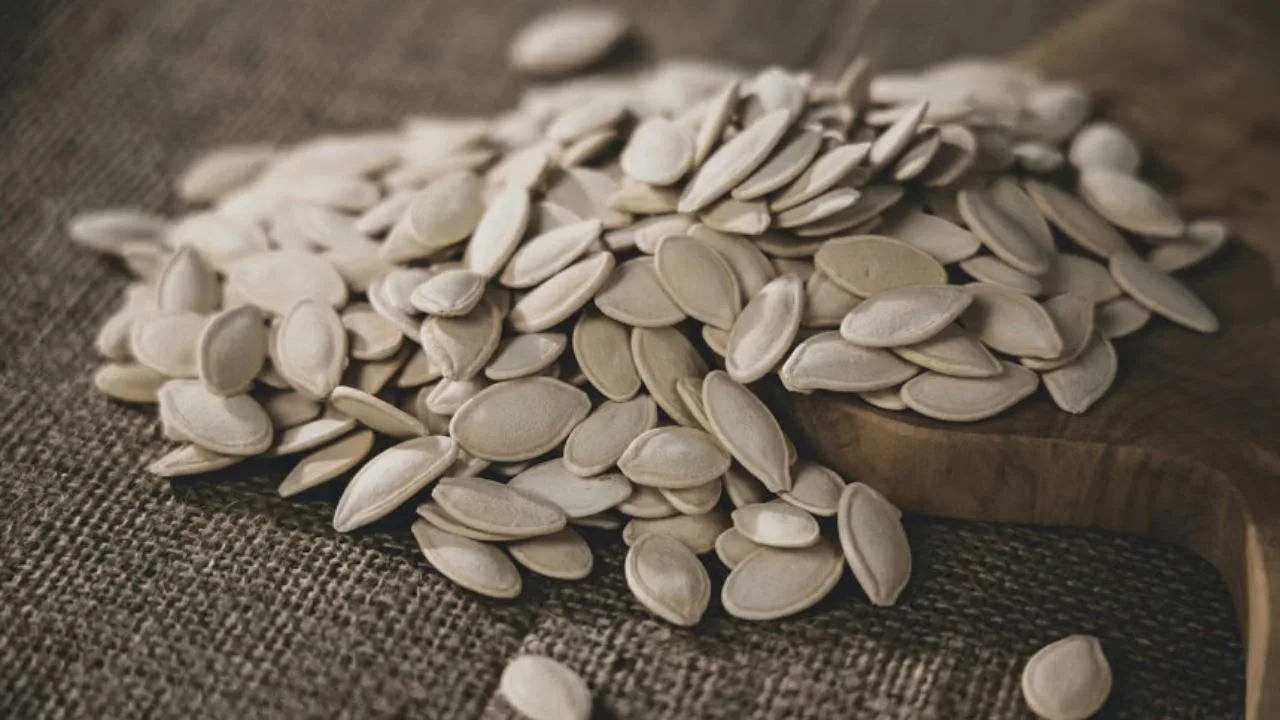
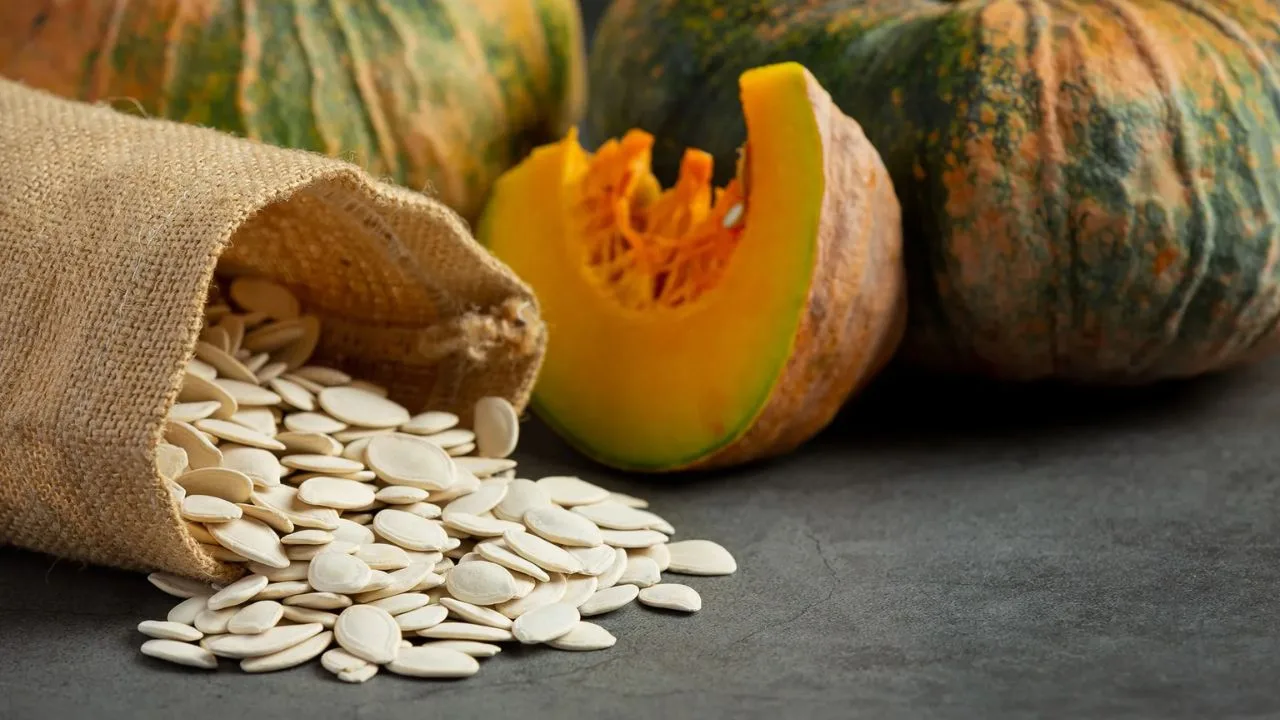
Pumpkin Seeds, also known as pumpkin kernels or pepitas, are small, flat, oval seeds found inside the pumpkin fruit. They usually have a white or cream-colored outer hull and a light green inner seed. Pumpkin seeds are not only tasty but also highly nutritious and have been used for culinary and medicinal purposes for centuries.
Scientific Name: Cucurbita pepo
Bengali Name: কুমড়োর বিচি / কুমড়ো বীজ
Arabic Name: بذور اليقطين (Bidhūr al-Yaqtīn)
Urdu Name: کدو کے بیج (Kadu ke Beej)
Hindi Name: कद्दू के बीज (Kaddu ke Beej)
English Name: Pumpkin Seeds
Medicinal Importance of Pumpkin Seeds
Pumpkin seeds are widely used in Ayurveda, Unani, and traditional medicine. Their health benefits include:
Prostate Health & Male Fertility
Rich in zinc, beneficial for prostate gland health.
Helps maintain hormonal balance and male reproductive health.
Antiparasitic Properties
Traditionally used to eliminate intestinal worms, especially tapeworms.
Heart Health
Contains magnesium, zinc, and omega-3 fatty acids that support healthy blood pressure and heart function.
Urinary Tract Health
Effective in reducing symptoms of bladder problems and Benign Prostatic Hyperplasia (BPH).
Rich in Antioxidants
Vitamin E and carotenoids in pumpkin seeds help fight free radicals and slow aging.
Mental Health & Sleep
Contains tryptophan, which converts into serotonin and melatonin, promoting good sleep and mental calmness.
Bone and Dental Health
Magnesium and phosphorus strengthen bones and teeth.
Immune Support
Zinc and antioxidants boost the immune system.
Medicinal Uses
Prostate Support: Zinc in pumpkin seeds helps reduce prostate enlargement.
Heart Disease Prevention: Antioxidants and magnesium help control blood pressure and maintain heart health.
Diabetes Management: Helps regulate blood sugar levels.
Sleep Aid: Tryptophan improves sleep quality.
Bone Strength: Magnesium, phosphorus, and zinc enhance bone density.
Immune Boost: Vitamin E and zinc strengthen immunity.
Kidney Health: May reduce the risk of kidney stones.
Antiparasitic: Traditionally used to eliminate intestinal worms.
Consumption Methods
Eat raw or roasted seeds as snacks.
Mix into salads, smoothies, yogurt, or oats.
Consume 20–30 grams daily.
Pumpkin seed oil can be used in cooking or salad dressings.
Recommended Intake
Daily: 20–30 grams (≈2–3 tablespoons).
Excess consumption may cause digestive issues such as bloating or diarrhea.
Individuals with diabetes, kidney problems, or other medical conditions should consult a doctor.
Side Effects of Pumpkin Seeds
Digestive Issues: Excessive intake may cause bloating, gas, diarrhea, or constipation.
High Calories: Overconsumption can lead to weight gain.
Allergic Reactions: Some people may experience itching, rashes, or breathing difficulties.
Low Blood Pressure Risk: May lower blood pressure; caution is needed for hypotensive individuals.
Mineral Imbalance: Excess zinc or magnesium can disrupt mineral balance.
Kidney Problems: High potassium content may be harmful in kidney disease.
Safe consumption: 20–30 grams daily is sufficient.
Source & Cultivation
Pumpkin belongs to the Cucurbitaceae family and originated in South America.
Now cultivated worldwide: Bangladesh, India, China, USA, Mexico, Thailand, Indonesia.
Seeds are collected from mature pumpkins, dried, and stored raw or roasted.
Also used to produce pumpkin seed oil.
Structure & Characteristics
Shape: Small, oval, or egg-shaped
Color: Outer hull white or pale green; inner seed green
Seed Type: Can be with hull or without (pepitas)
Nutritional Highlights: High in protein, healthy fats (omega-3 & omega-6), magnesium, zinc, iron, phosphorus, vitamins E & B, antioxidants, fiber; low-calorie and gluten-free
Nutritional Profile (Per 100g)
| Nutrient | Amount |
|---|---|
| Calories | 560 kcal |
| Protein | 30 g |
| Healthy Fat | 49 g |
| Carbohydrates | 10 g |
| Fiber | 6 g |
| Magnesium | 592 mg |
| Zinc | 7.68 mg |
| Iron | 8.82 mg |
| Phosphorus, Potassium, Copper, Vitamin E, K, B1, B2, B3, B6, Folate | Significant amounts |
Health Benefits
Brain Health: Magnesium and zinc support neurotransmitter function, memory, and focus.
Heart Health: Omega-3, antioxidants, and healthy fats reduce cholesterol and support cardiovascular health.
Immune System: Zinc and iron strengthen immunity.
Diabetes Management: Low glycemic index helps control blood sugar.
Bone Strength: Magnesium, phosphorus, and zinc improve bone density.
Anti-inflammatory: Reduces inflammation, helpful for arthritis.
Sleep Quality: Tryptophan converts to serotonin and melatonin.
Prostate Health: Reduces risk of abnormal prostate growth.
Skin & Hair: Vitamin E and fatty acids improve hair and skin health.
Digestive Health: Fiber aids digestion and relieves constipation.
Use in Skincare & Haircare
Skin: Rich in antioxidants, vitamins, and fatty acids; reduces signs of aging, brightens skin, prevents acne, hydrates.
Hair: Zinc and omega-3 promote hair growth and strengthen follicles.
DIY Face Mask:
Pumpkin seed powder – 1 tbsp
Milk or rose water – 2 tbsp
Honey – 1 tsp
Mix and apply for 15–20 min, then rinse.Scrub: Pumpkin seed powder + yogurt to exfoliate.
Oil: Pumpkin seed oil can be applied on skin or hair.
Benefits for Pregnant Women & Children
Pregnant Women:
Folate supports fetal brain and nervous system development.
Iron prevents anemia.
Magnesium & zinc strengthen bones and immunity.
Omega-3 supports fetal brain development.
Fiber relieves constipation.
Children:
Protein and healthy fats aid growth.
Zinc and magnesium support immunity and mental development.
Iron and calcium strengthen blood and bones.
Consumption:
Children over 2 years: small amounts of ground seeds or mixed in smoothies/milk.
Avoid whole seeds to prevent choking.
Side Effects & Precautions
High calorie content may cause weight gain.
Excessive fiber may lead to bloating or diarrhea.
Can trigger allergies in sensitive individuals.
May lower blood pressure; caution for those on blood pressure medications.
Oil-fried seeds may aggravate gastric reflux.
Pregnant women and children should consult a doctor before consuming large amounts.
Summary
Pumpkin seeds are highly nutritious and beneficial for:
Heart health
Immune support
Prostate & urinary health
Blood sugar management
Sleep improvement
Bone strength
Skin & hair care
Recommended Intake: 10–30 grams daily. Consume in moderation for maximum benefits.