
Change Language
Indian Jalap
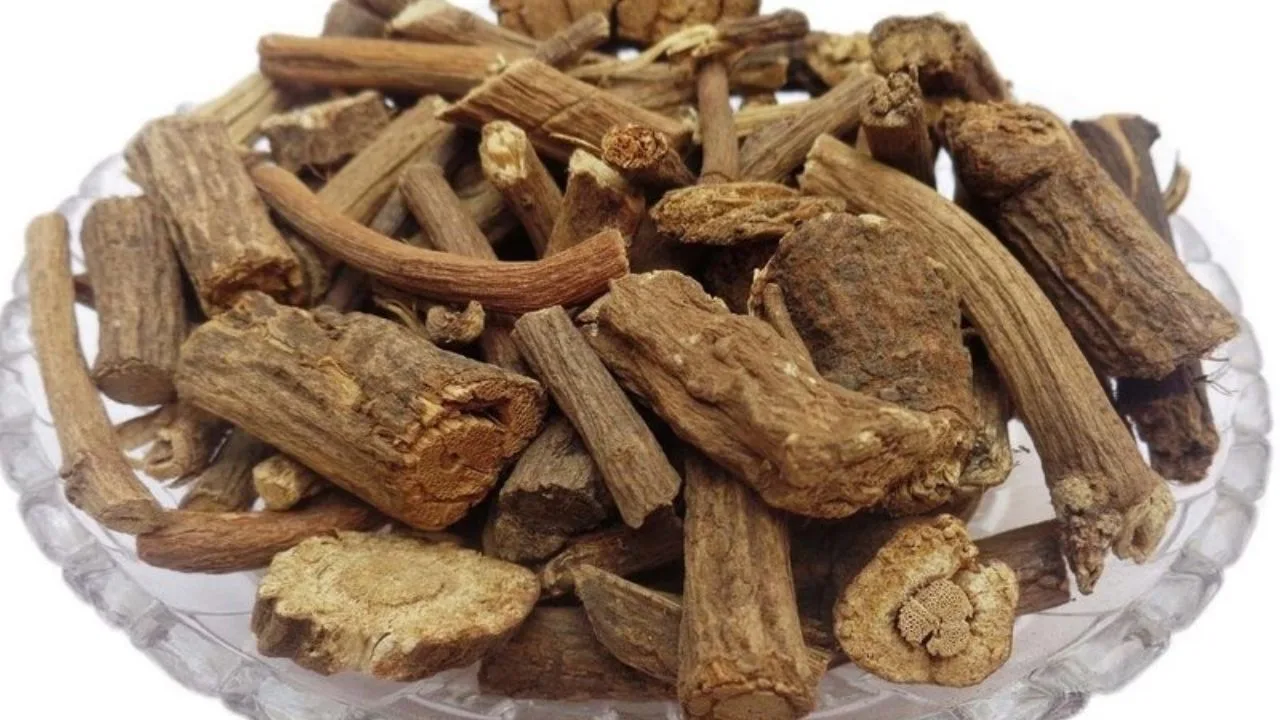
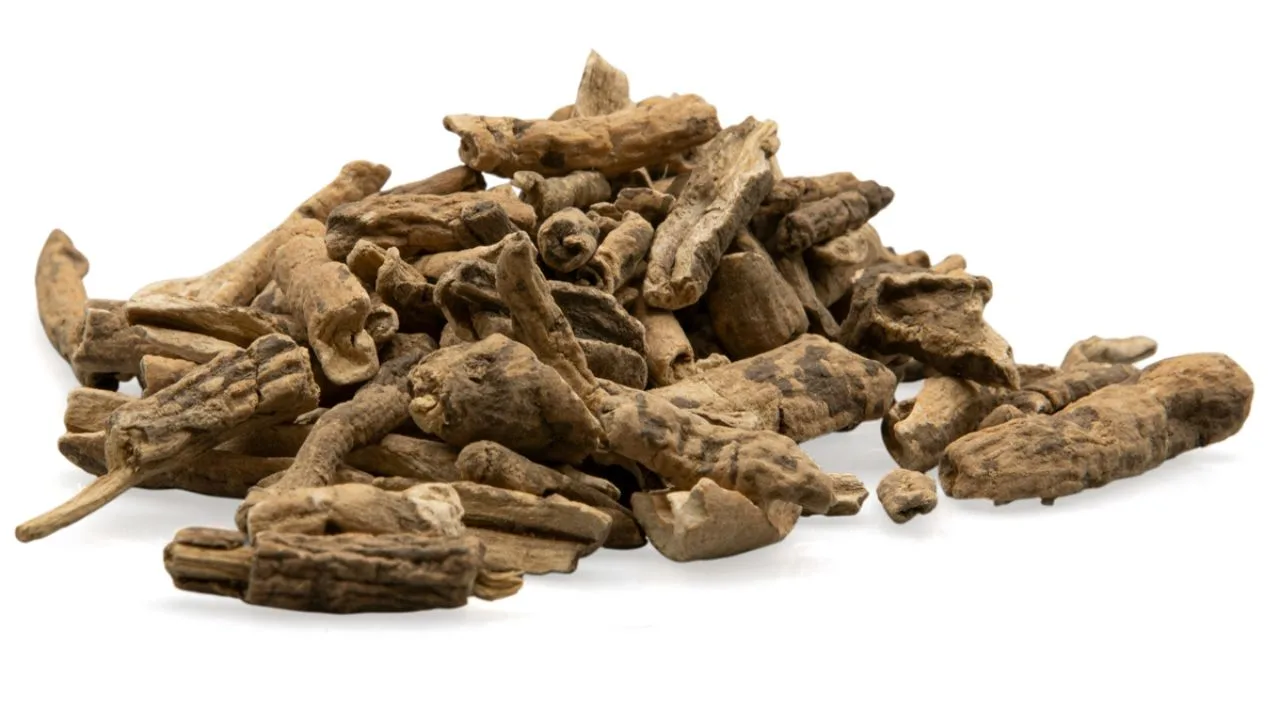
Introduction and Origin of Nishoth
Nishoth (Scientific name: Eclipta prostrata) is a popular medicinal herb known for its therapeutic properties. Let’s look at its introduction and origin in detail:
Introduction:
Nishoth is a small, slender, creeping herb, usually 30–60 cm tall.
Stems: Erect or prostrate, slightly hairy.
Leaves: Small, lance-shaped.
Flowers: Small, white, globular.
Fruit: Small dry capsules containing seeds.
Habitat:
Typically grows in wet soils, near water bodies, in fields, along roadsides, and in moist areas.
Origin:
Native to warm regions of Asia.
Found mainly in India, Bangladesh, Thailand, Sri Lanka, and parts of China.
Traditionally used in Ayurvedic and homeopathic medicine in Asia for centuries.
Common Uses:
Promotes hair growth and maintains hair color.
Natural remedy for liver problems and jaundice.
Treats skin disorders, wounds, and inflammation.
Names in Various Languages:
Bengali: নিশোথ
English: Nishoth
Hindi: निशोथ
Arabic: نيشوث
Urdu: نِشوٹھ
Botanical Characteristics of Nishoth
Note: There seems to be some mix-up in sources—Nishoth is sometimes associated with Piper betle or Cissus quadrangularis. Here’s a botanical description based on common references:
Physical Characteristics
Type: Vine (climbing or creeping)
Height: 2–3 meters (for climbing types)
Stems: Soft, green, sometimes jointed
Leaves: Ovate (egg-shaped), bright green, sometimes slightly wavy, prominent veins
Flowers and Fruits
Flowers: Small, usually greenish or light yellow, one- or two-petaled
Fruits: Small, globular or cylindrical, dark red to brown
Growth and Propagation
Family: Piperaceae (if considering the vine variant)
Prefers moist, fertile soil, and partial shade
Reproduction: Mainly through cuttings or root propagation
Uses
Leaves: Chewed (if referring to Piper betle)
Medicinal: Improves digestion, treats mouth ulcers, reduces inflammation
Cultural: Used in rituals and religious ceremonies
Other Characteristics
Tolerates humidity, less tolerant to dry climates
Being a climbing plant, grows better with support or shade
Medicinal Importance of Nishoth
Health Benefits:
Bone and Joint Health
Strengthens bones and accelerates fracture healing.
Helps reduce osteoarthritis and joint pain.
Digestive Aid
Helps with gas, digestion issues, and constipation.
Weight Management
Can assist in reducing fat and controlling body weight.
Heart Health
May help regulate blood pressure and improve cardiovascular health.
Antioxidant Properties
Protects cells from harmful free radicals.
Hair and Scalp Health
Promotes hair growth and prevents scalp infections.
Cautions:
Pregnant or breastfeeding women should consult a doctor before use.
Overconsumption may cause digestive issues or allergic reactions.
Ayurvedic Uses and Benefits
Parts Used: Leaves, roots, flowers, and other parts.
Applications:
Leaf decoction: For cough, cold, and fever
Leaf paste or oil: For muscle pain, arthritis, swelling, or wounds
Root and fruit extracts: For digestive problems, urinary infections, diabetes
Flower and other parts: For allergies, skin eruptions, and pain
Health Effects:
Anti-inflammatory and analgesic
Improves respiratory issues
Treats skin wounds and infections
Protects urinary tract and kidneys
Anti-microbial and anti-fungal properties
Forms of Use:
Paste: Apply directly on affected areas
Tea/Drink: Boil dried leaves or roots
Oil: Massage affected areas with prepared Nishoth oil
Precautions:
Test on a small area if skin is sensitive
Pregnant or breastfeeding women should use under medical supervision
Excessive use may cause nausea or digestive issues
Dosage and Administration
Consumption Guidelines:
Taken in the morning or evening, often with meals
Powder: Mixed with milk or warm water
Capsules/Tablets: Follow instructions on the label
Avoid excessive use
Typical Dosage:
| Form | Daily Dose | Frequency |
|---|---|---|
| Root Powder | 3–6 g | 1–2 times with food |
| Capsule/Tablet | 250–500 mg | 1–2 times with food |
| Liquid Extract | 2–4 ml | 1–2 times with food |
Important:
Pregnant or breastfeeding women should consult a doctor.
Seek professional advice before long-term or high-dose use.
Side Effects of Nishoth
Digestive Issues: Nausea, diarrhea, or indigestion
Sleep/Agitation: High doses may cause restlessness or insomnia
Blood Pressure/Sugar Effects: Can lower blood pressure; may interact with diabetes medication
Thyroid Effects: May affect thyroid hormone levels
Pregnancy & Lactation: Not considered safe
Allergic Reactions: Rare cases of itching, rash, or breathing difficulty
Advice:
Use moderate doses (300–600 mg/day for capsules) and consult a doctor if side effects occur.
Summary of Benefits
Reduces stress by lowering cortisol
Boosts energy, stamina, and physical endurance
Helps regulate blood pressure and cholesterol
Improves sleep quality
Enhances immunity
Supports brain function and memory
Improves reproductive health
Reduces inflammation and infections
Note: Pregnant women and those with kidney or liver problems should consult a doctor before use.
Potential Drawbacks
Overconsumption may cause digestive issues
Can thin blood in some individuals, affecting those with low blood pressure or bleeding risk
Interactions possible with diabetes, blood pressure, or hormonal medications
Rare allergic skin reactions
Conclusion:
Nishoth is generally safe when used in moderation, but medical guidance is recommended for people with health issues or those taking other medications.