
Change Language
Flaxseed
What is Flaxseed?
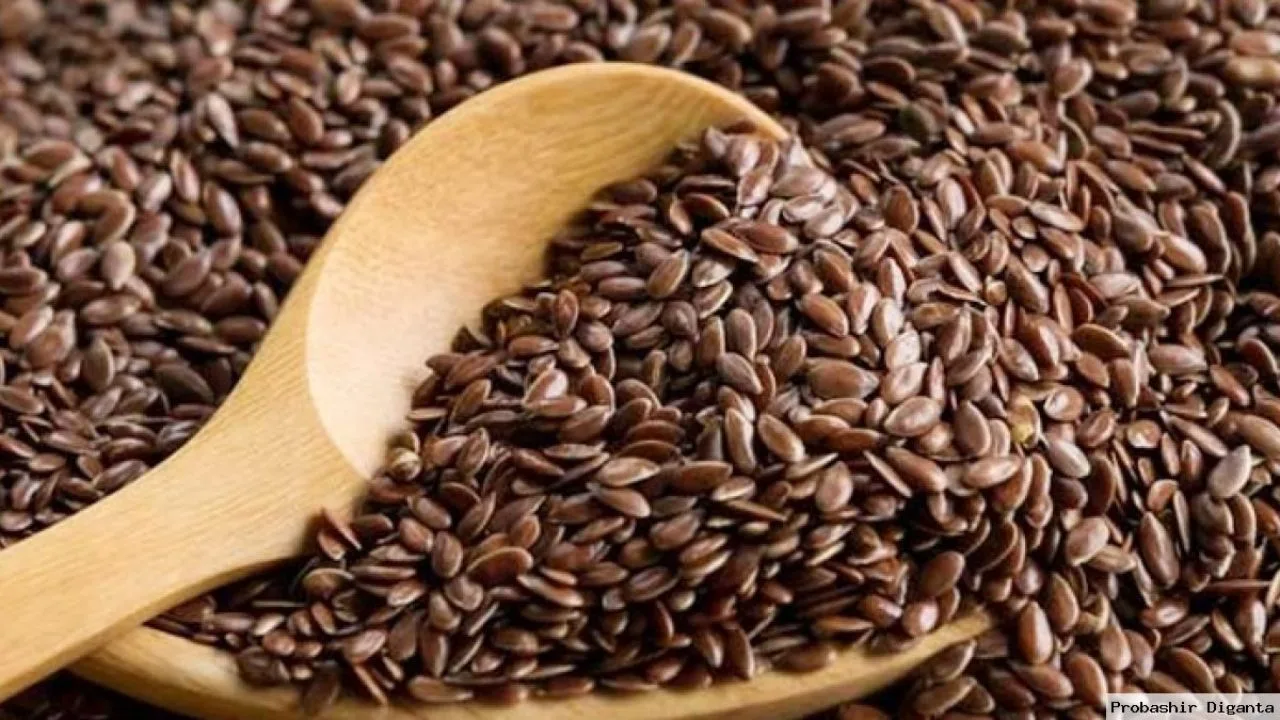
Flaxseed is a nutritious seed obtained from the flax plant (Scientific Name: Linum usitatissimum). It has been used in human diet and medicine since ancient times.
Bengali Name: তিসি বীজ
English Name: Flaxseed
Arabic Name: حب الكتان (Habb al-Kittan)
Urdu Name: السی کے بیج (Alsi ke Beej)
Scientific Name: Linum usitatissimum
What Type of Seed is It?
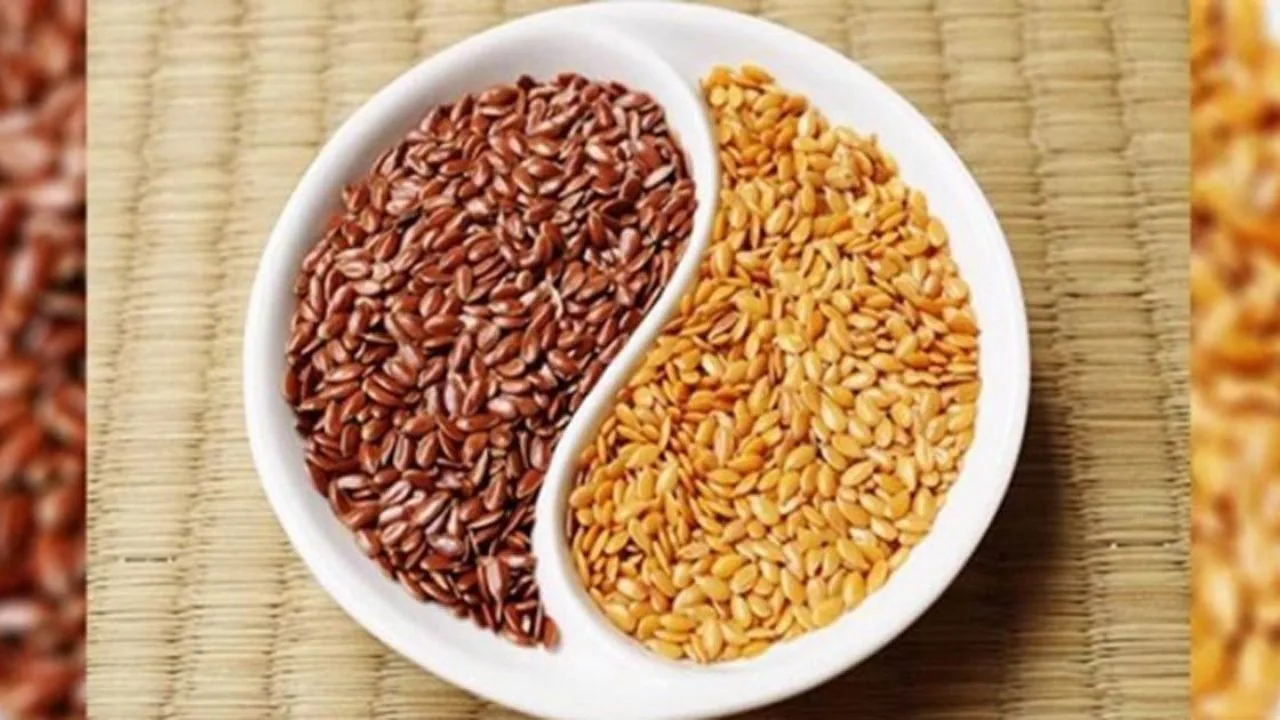
Flaxseed is an oilseed, from which nutritious oil (Flaxseed oil or Linseed oil) is extracted. It is small, flat, and usually brown or golden in color.
Origin
Flaxseed originally comes from Europe and various regions of Asia. Nowadays, it is cultivated worldwide, especially in Canada, India, China, and the United States.
Why is it Popular?
Flaxseed is rich in:
Omega-3 fatty acids (ALA)
Fiber
Lignans (a type of antioxidant)
Protein
These nutrients help prevent heart disease, aid digestion, improve skin health, and maintain hormonal balance.
Nutritional Value of Flaxseed
Flaxseed is highly nutrient-dense and packed with health benefits.
Nutritional Content (per 100 g):
| Component | Amount |
|---|---|
| Energy (Calories) | 534 kcal |
| Protein | 18.3 g |
| Carbohydrates | 28.9 g |
| Fiber | 27.3 g |
| Fat | 42.2 g (including Omega-3: ~22.8 g) |
| Calcium | 255 mg |
| Iron | 5.7 mg |
| Magnesium | 392 mg |
| Phosphorus | 642 mg |
| Zinc | 4.3 mg |
| Vitamin B1 (Thiamine) | 1.64 mg |
Key Nutrients in Flaxseed:
Omega-3 fatty acids (ALA): Beneficial for the heart and helps control cholesterol.
Lignans: Powerful antioxidants that support hormonal balance.
Dietary Fiber: Improves digestion and reduces constipation.
Protein: A good source of protein for vegetarians.
Summary of Benefits:
Reduces risk of heart disease
Lowers blood cholesterol
Improves digestion
Helps control diabetes
Enhances hair and skin health
Flaxseed is usually consumed ground or soaked to improve digestion and maximize nutrient absorption.
Flaxseed vs Chia Seed: Herbal Benefits and Properties
| Feature | Chia Seed | Flaxseed |
|---|---|---|
| Fiber | High | High |
| Heart Health | Good for heart patients | Supports heart health |
| Omega-3 Fatty Acid | Rich | Rich |
| Digestive Health | Aids digestion | Effective for digestion |
| Sugar & Cholesterol | Regulates | Regulates |
| Additional Benefits | Rich in magnesium, calcium & phosphorus (good for bones) | Increases HDL (good) cholesterol, reduces LDL (bad) cholesterol |
Medicinal Benefits of Flaxseed
Flaxseed has numerous medicinal properties due to its natural nutrients that help prevent various diseases:
Supports Heart Health: Omega-3 fatty acids (ALA) help control cholesterol and reduce heart disease risk.
Helps Manage Diabetes: Fiber and lignans slow the rise in blood sugar, beneficial for type 2 diabetes.
Cancer Prevention: Lignans, a type of antioxidant, may reduce the risk of breast, prostate, and colon cancers.
Improves Digestion: Contains both soluble and insoluble fiber, aiding digestion and relieving constipation.
Regulates Blood Pressure: Omega-3 and fiber compounds help maintain normal blood pressure.
Balances Hormones: Supports estrogen balance in women, reducing menopausal and menstrual problems.
Aids Weight Control: Fiber keeps the stomach full longer, reducing overeating.
Supports Skin & Hair Health: Antioxidants and fatty acids improve skin and hair quality.
How to Use Flaxseed
Mix ground flaxseed with milk or yogurt.
Add to smoothies, oats, salads, or bread.
Possible Side Effects or Risks
Although generally safe and nutritious, flaxseed can have some side effects if overconsumed or under certain conditions:
Digestive Issues: Excess fiber may cause gas, bloating, diarrhea, or constipation, especially with low water intake.
Bleeding Risk: Omega-3 may thin the blood; caution for those on blood-thinning medications (e.g., aspirin, warfarin).
Allergic Reactions: Some people may experience itching, rashes, or breathing difficulty.
Pregnancy & Breastfeeding: Phytoestrogens may affect hormone balance; consult a doctor.
Raw/Unprocessed Flaxseed: May contain cyanogenic compounds that produce cyanide; always soak or cook before consumption.
Hormone-Sensitive Conditions: Lignans act like estrogen; caution needed for breast cancer or hormone-sensitive disorders.
Safe Usage Tips:
1–2 teaspoons daily is safe.
Drink plenty of water.
Consume soaked or ground flaxseed.
Consult a doctor before long-term use.
Recommended Intake and Method
How to Eat:
Ground (Best Method): Easier to digest and absorb nutrients. Store in airtight container.
Soaked: Soak 1 teaspoon in water overnight; consume on an empty stomach for better digestion.
In Tea or Drinks: Mix 1 teaspoon in hot water or green tea.
In Food: Add to mashed vegetables, salads, yogurt, or smoothies.
Recommended Daily Amount:
Adults: 1–2 teaspoons (5–10 g)
Start with a small quantity and monitor your body’s response.
Precautions:
Excess may cause bloating, gas, or diarrhea.
Pregnant or breastfeeding women should consult a doctor.
Consult a doctor if taking blood thinners.
Buying and Storing Flaxseed
Buying Tips:
Check purity, manufacturing, and expiry dates.
Prefer organic, pesticide-free seeds.
Types:
Whole Seeds: Longer shelf life.
Ground/Flaxseed Meal: Easier digestion, but spoils faster.
Storage:
Whole Seeds: Airtight container, cool dry place; can refrigerate for long-term storage (up to 6 months).
Ground Seeds: Store in airtight glass jar in fridge; use within 1 month.
Flaxseed Oil: Dark bottle, refrigerate; use within 1–2 months after opening.
Tips:
Use a dry spoon each time.
Keep small amounts outside for daily use; store the rest in the fridge.
Medical Advice for Flaxseed
Before using flaxseed, follow these medical guidelines, especially if you take medications or have health conditions:
Benefits:
Prevents heart disease (Omega-3 reduces cholesterol, controls blood pressure).
Helps manage diabetes (fiber increases insulin sensitivity).
Relieves constipation (soluble and insoluble fiber).
Balances hormones (lignans regulate estrogen, beneficial for women).
Precautions:
Pregnant & breastfeeding women: consult a doctor.
On blood-thinning medication: consult a doctor.
IBS or digestive issues: prefer soaked or ground seeds.
Avoid overconsumption: 1–2 teaspoons daily is sufficient.
Do not eat raw seeds; soak or grind for safety.
Harmful Aspects of Flaxseed
Even though flaxseed is generally healthy, excessive or improper intake may cause:
Digestive Problems: Gas, bloating, diarrhea, or constipation.
Hormonal Effects: Contains phytoestrogens; avoid without doctor’s advice if hormone-sensitive conditions exist.
Blood Thinning: Omega-3 may thin blood; dangerous for those on warfarin or similar medications.
Cyanide Risk: Raw or undercooked seeds contain cyanogenic compounds.
Pregnancy & Lactation Caution: Consult a doctor.
Allergies: Some people may experience itching, rashes, or breathing difficulties.
Recommendations:
Consume 1–2 teaspoons ground daily.
Drink enough water to balance fiber intake.
Start with a small quantity if new to flaxseed.