Herbs

তিসি বীজ

Change Language Flaxseed What is Flaxseed? Flaxseed is a nutritious seed obtained from the flax plant (Scientific Name: Linum usitatissimum). It has been used in human diet and medicine since ancient times. Bengali Name: তিসি বীজ English Name: Flaxseed Arabic Name: حب الكتان (Habb al-Kittan) Urdu Name: السی کے بیج (Alsi ke Beej) Scientific Name: Linum usitatissimum What Type of Seed is It? Flaxseed is an oilseed, from which nutritious oil (Flaxseed oil or Linseed oil) is extracted. It is small, flat, and usually brown or golden in color. Origin Flaxseed originally comes from Europe and various regions of Asia. Nowadays, it is cultivated worldwide, especially in Canada, India, China, and the United States. Why is it Popular? Flaxseed is rich in: Omega-3 fatty acids (ALA) Fiber Lignans (a type of antioxidant) Protein These nutrients help prevent heart disease, aid digestion, improve skin health, and maintain hormonal balance. Nutritional Value of Flaxseed Flaxseed is highly nutrient-dense and packed with health benefits. Nutritional Content (per 100 g): Component Amount Energy (Calories) 534 kcal Protein 18.3 g Carbohydrates 28.9 g Fiber 27.3 g Fat 42.2 g (including Omega-3: ~22.8 g) Calcium 255 mg Iron 5.7 mg Magnesium 392 mg Phosphorus 642 mg Zinc 4.3 mg Vitamin B1 (Thiamine) 1.64 mg Key Nutrients in Flaxseed: Omega-3 fatty acids (ALA): Beneficial for the heart and helps control cholesterol. Lignans: Powerful antioxidants that support hormonal balance. Dietary Fiber: Improves digestion and reduces constipation. Protein: A good source of protein for vegetarians. Summary of Benefits: Reduces risk of heart disease Lowers blood cholesterol Improves digestion Helps control diabetes Enhances hair and skin health Flaxseed is usually consumed ground or soaked to improve digestion and maximize nutrient absorption. Flaxseed vs Chia Seed: Herbal Benefits and Properties Feature Chia Seed Flaxseed Fiber High High Heart Health Good for heart patients Supports heart health Omega-3 Fatty Acid Rich Rich Digestive Health Aids digestion Effective for digestion Sugar & Cholesterol Regulates Regulates Additional Benefits Rich in magnesium, calcium & phosphorus (good for bones) Increases HDL (good) cholesterol, reduces LDL (bad) cholesterol Medicinal Benefits of Flaxseed Flaxseed has numerous medicinal properties due to its natural nutrients that help prevent various diseases: Supports Heart Health: Omega-3 fatty acids (ALA) help control cholesterol and reduce heart disease risk. Helps Manage Diabetes: Fiber and lignans slow the rise in blood sugar, beneficial for type 2 diabetes. Cancer Prevention: Lignans, a type of antioxidant, may reduce the risk of breast, prostate, and colon cancers. Improves Digestion: Contains both soluble and insoluble fiber, aiding digestion and relieving constipation. Regulates Blood Pressure: Omega-3 and fiber compounds help maintain normal blood pressure. Balances Hormones: Supports estrogen balance in women, reducing menopausal and menstrual problems. Aids Weight Control: Fiber keeps the stomach full longer, reducing overeating. Supports Skin & Hair Health: Antioxidants and fatty acids improve skin and hair quality. How to Use Flaxseed Mix ground flaxseed with milk or yogurt. Add to smoothies, oats, salads, or bread. Possible Side Effects or Risks Although generally safe and nutritious, flaxseed can have some side effects if overconsumed or under certain conditions: Digestive Issues: Excess fiber may cause gas, bloating, diarrhea, or constipation, especially with low water intake. Bleeding Risk: Omega-3 may thin the blood; caution for those on blood-thinning medications (e.g., aspirin, warfarin). Allergic Reactions: Some people may experience itching, rashes, or breathing difficulty. Pregnancy & Breastfeeding: Phytoestrogens may affect hormone balance; consult a doctor. Raw/Unprocessed Flaxseed: May contain cyanogenic compounds that produce cyanide; always soak or cook before consumption. Hormone-Sensitive Conditions: Lignans act like estrogen; caution needed for breast cancer or hormone-sensitive disorders. Safe Usage Tips: 1–2 teaspoons daily is safe. Drink plenty of water. Consume soaked or ground flaxseed. Consult a doctor before long-term use. Recommended Intake and Method How to Eat: Ground (Best Method): Easier to digest and absorb nutrients. Store in airtight container. Soaked: Soak 1 teaspoon in water overnight; consume on an empty stomach for better digestion. In Tea or Drinks: Mix 1 teaspoon in hot water or green tea. In Food: Add to mashed vegetables, salads, yogurt, or smoothies. Recommended Daily Amount: Adults: 1–2 teaspoons (5–10 g) Start with a small quantity and monitor your body’s response. Precautions: Excess may cause bloating, gas, or diarrhea. Pregnant or breastfeeding women should consult a doctor. Consult a doctor if taking blood thinners. Buying and Storing Flaxseed Buying Tips: Check purity, manufacturing, and expiry dates. Prefer organic, pesticide-free seeds. Types: Whole Seeds: Longer shelf life. Ground/Flaxseed Meal: Easier digestion, but spoils faster. Storage: Whole Seeds: Airtight container, cool dry place; can refrigerate for long-term storage (up to 6 months). Ground Seeds: Store in airtight glass jar in fridge; use within 1 month. Flaxseed Oil: Dark bottle, refrigerate; use within 1–2 months after opening. Tips: Use a dry spoon each time. Keep small amounts outside for daily use; store the rest in the fridge. Medical Advice for Flaxseed Before using flaxseed, follow these medical guidelines, especially if you take medications or have health conditions: Benefits: Prevents heart disease (Omega-3 reduces cholesterol, controls blood pressure). Helps manage diabetes (fiber increases insulin sensitivity). Relieves constipation (soluble and insoluble fiber). Balances hormones (lignans regulate estrogen, beneficial for women). Precautions: Pregnant & breastfeeding women: consult a doctor. On blood-thinning medication: consult a doctor. IBS or digestive issues: prefer soaked or ground seeds. Avoid overconsumption: 1–2 teaspoons daily is sufficient. Do not eat raw seeds; soak or grind for safety. Harmful Aspects of Flaxseed Even though flaxseed is generally healthy, excessive or improper intake may cause: Digestive Problems: Gas, bloating, diarrhea, or constipation. Hormonal Effects: Contains phytoestrogens; avoid without doctor’s advice if hormone-sensitive conditions exist. Blood Thinning: Omega-3 may thin blood; dangerous for those on warfarin or similar medications. Cyanide Risk: Raw or undercooked seeds contain cyanogenic compounds. Pregnancy & Lactation Caution: Consult a doctor. Allergies: Some people may experience itching, rashes, or breathing difficulties. Recommendations: Consume 1–2 teaspoons ground daily. Drink enough water to balance fiber intake. Start with a small quantity if new to flaxseed.
তিসি বীজ Read More »

আমলকী

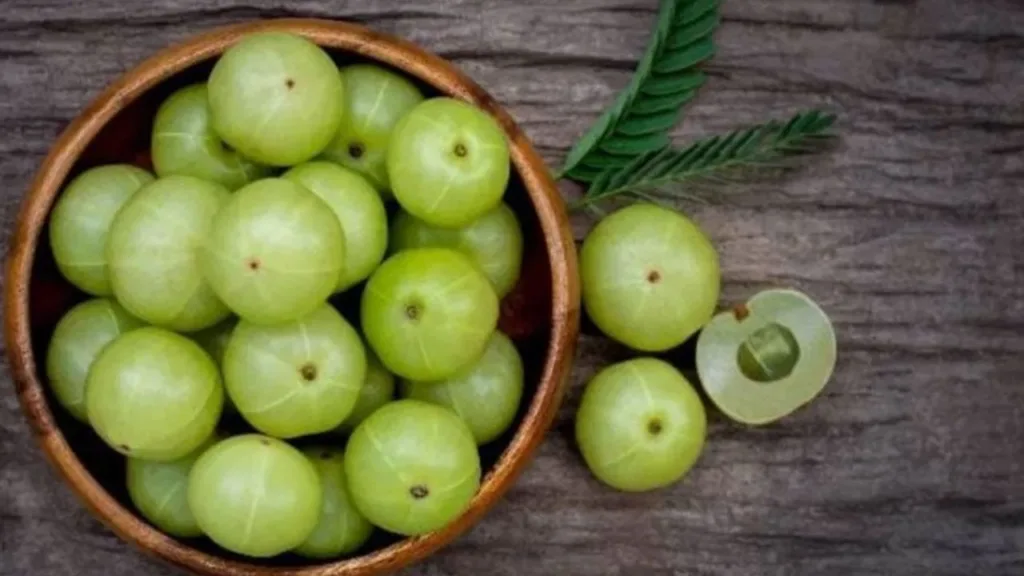
Change Language Indian Gooseberry / Amlaki Introduction to Amla Amla (Indian Gooseberry), scientifically known as Phyllanthus emblica or Emblica officinalis, is a medicinal plant whose fruit is rich in health benefits. It is widely found in South Asia, especially in India, Bangladesh, Nepal, and Sri Lanka. Below is detailed information about Amla: General Information: Bengali Name: আমলকী (Amla) Hindi Name: आंवला (Amla) English Name: Indian Gooseberry Arabic Name: الأملج (Al-Amalaj) or عنب الثعلب الهندي (Unab Al-Thalab Al-Hindi) Urdu Name: آملہ (Amla) Scientific Name: Phyllanthus emblica / Emblica officinalis Type of Plant: Small to medium-sized deciduous tree Medicinal Importance of Amla Boosts immunity: Rich in Vitamin C, Amla strengthens the body’s immune system. Improves digestion: Stimulates the digestive tract, reduces acidity and constipation. Helps manage diabetes: Regulates blood sugar levels. Beneficial for hair and skin: Reduces hair fall, treats dandruff, and brightens the skin. Supports liver health: Helps detoxify the liver. Relieves arthritis and joint pain: Acts as an anti-inflammatory. Enhances eyesight: Regular consumption improves vision. Slows aging: Antioxidants help reduce signs of aging. Purifies blood: Cleanses blood and improves skin health. Helps prevent cancer: Phytochemicals may help inhibit cancer cell growth. Medicinal Uses of Amla Enhances digestion: Reduces acidity and indigestion. Boosts immunity: High Vitamin C content strengthens the immune system. Manages diabetes: Helps control blood sugar levels. Hair & skin care: Prevents hair loss, promotes healthy hair, and brightens skin. Liver protection: Supports liver function and detoxification. Relieves joint pain: Anti-inflammatory properties reduce pain. Urinary health: Beneficial for urinary tract infections. Heart health: Reduces bad cholesterol and promotes heart health. Treats anemia: Iron content increases hemoglobin levels. Improves eyesight: Regular intake enhances vision and eye health. Forms of consumption: Fresh fruit, dried powder, juice, or preserves (murabba). Consumption Guidelines Raw Amla: 1–2 pieces in the morning on an empty stomach. Amla Juice: 20–30 ml in the morning on an empty stomach. Amla Powder: ½–1 teaspoon (3–5 grams) daily with warm water or honey. Amla + Honey: 1 tsp powder with 1 tsp honey. Triphala Powder: Amla is a key component; 1 tsp at night with warm water. Amla Pickle or Murabba: 1–2 pieces per day. Capsules/Tablets: Adults can take 1–2 per day as advised. Precautions: Avoid excess consumption on an empty stomach if you have gastric problems. Consult a doctor for long-term illnesses. Overconsumption may cause nausea or acidity. Side Effects of Excess Consumption: Gas or acidity Constipation Cold-related issues (especially in cold-prone people) Kidney stress if taken long-term Possible allergies (itching, rashes) May lower blood sugar; diabetics should be cautious Pregnant or breastfeeding women should consult a doctor Eating on a full stomach may cause digestion issues Note: Natural ingredients should be consumed in moderation. Structure & Characteristics of Amla Generally green and round in shape. Turns light yellowish or greenish when ripe. Taste: Sour, slightly bitter, and mildly sweet. Each fruit has 6 vertical grooves. Nutritional content (per 100 grams): Vitamin C: ~600–900 mg (much higher than oranges or lemons) Fiber Calcium Iron Antioxidants (Flavonoids, Tannins) Amino acids Gallic acid Ellagic acid Health Benefits Strengthens immunity: High Vitamin C content acts as a potent antioxidant. Aids digestion: Reduces constipation and acidity. Manages diabetes: Enhances insulin function. Hair & skin: Strengthens hair roots, reduces hair fall, brightens skin, and slows aging. Supports liver & kidneys: Assists detoxification. Prevents heart disease: Reduces LDL cholesterol. Eye health: Improves vision and reduces eye fatigue. Ayurvedic use: Amla is a major ingredient in Triphala and various herbal powders, lehyas, and oils. Consumption forms: Fresh, powdered with warm water, juice, murabba, pickle, dry powder, candy. Cultivation Starts bearing fruit in 1.5–2 years. Thrives in low-water and poor soil conditions. Lifespan: 50–60 years once planted. Nutritional Components Vitamins: Vitamin C: Boosts immunity Vitamin A: Supports eye health Vitamin E: Antioxidant Minerals: Calcium: Bone & teeth health Iron: Hemoglobin formation Phosphorus: Cellular function Potassium: Blood pressure regulation Magnesium & Zinc: Enzyme activity Antioxidants: Polyphenols, tannins, flavonoids (combat free radicals & slow aging)Dietary Fiber: Aids digestion & prevents constipationCarbohydrates & Protein: Provide energy Role in Disease Prevention 1. Cancer Prevention: Antioxidants protect DNA from damage May slow cancer cell growth Boosts immunity 2. Diabetes Management: Regulates blood sugar Gallic and ellagic acids reduce glucose levels Protects pancreatic beta cells 3. Heart Disease Prevention: Lowers LDL & raises HDL cholesterol Controls blood pressure Anti-inflammatory effects prevent artery blockage Role in Ayurvedic & Herbal Formulations Ayurvedic Properties: Rasa (Taste): Bitter & sweet – balances acid & kapha dosha Guna (Properties): Cool, light, and oily Virya (Potency): Cooling – reduces excess heat Vipaka (Post-digestive effect): Sweet – enhances nutrition Tridosha effect: Balances Vata, reduces Pitta, regulates Kapha In Triphala & Other Formulas: Main ingredient in Triphala (with Haritaki & Bibhitaki) Enhances immunity, digestion, detoxification, and skin health Antioxidant properties protect cells Supports liver & kidney function Improves memory and brain function Home Remedies & Recipes Amla Juice: Blend fresh Amla with water; add honey if desired. Amla Powder Tea: Mix 1 tsp powder in hot water. Amla Syrup: Combine juice, honey, and warm water for throat relief. Amla + Turmeric + Honey Paste: Apply on face for acne & blemishes. Amla + Warm Water + Lemon Juice: Morning detox & digestion aid. Amla Chutney: Mix with spices and coriander. Amla Hair Oil: Mix Amla paste with oil for hair nourishment. Hair & Skin Benefits Hair: Prevents hair fall with antioxidants Strengthens hair roots & promotes growth Reduces dandruff Acts as a natural conditioner Skin: Brightens skin & reduces aging signs Reduces acne & blemishes Natural moisturizer Cultivation Details Prefers light, well-drained soil (pH 6.5–7.5) Propagated from cuttings, not seeds Plant spacing: 1–1.5 m apart Regular watering, especially in summer Fertilization with compost, manure, urea, super phosphate, and potash Pest control: Minimal, use sprays if necessary First fruits in 3–4 years Processed Products from Amla Amla Powder Amla Syrup Amla Jelly/Jam Amla Chutney Amla Pickle Amla Capsules/Powder Amla Tea Amla Candy Amla-infused Snacks Amla Oil Summary:Amla is a “medicinal gem.” Not just a fruit, it is a powerful herbal

আমলকী Read More »

হরিতকী

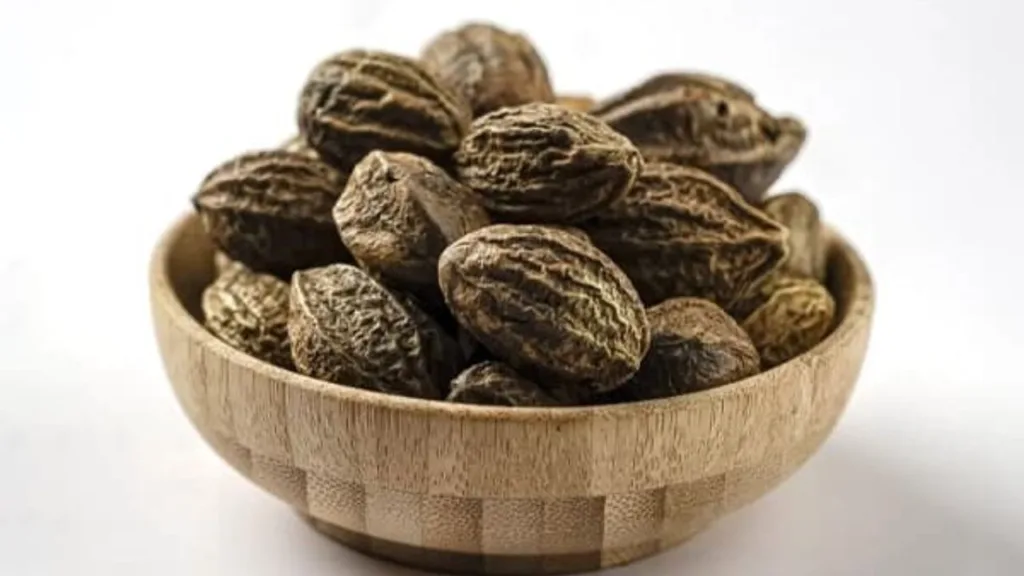
Change Language Chebulic myrobalan / Haritaki What is Haritaki? Haritaki (Sanskrit: Haritaki, Scientific name: Terminalia chebula) is an herbal fruit that has been used for centuries in Ayurveda, Unani, and traditional Chinese medicine. Identification of Haritaki: Scientific Name: Terminalia chebula Family: Combretaceae Local Names: Bengali: হরিতকি (Haritaki) Hindi: हरीड़ (Harid) Arabic: هريتكي (Haritaki) or أملج (Amlaj) Urdu: ہریڑ (Harar) or حریڑ English: Chebulic myrobalan / Black myrobalan Herbal Importance of Haritaki: Improves digestion: Increases digestive power and helps with gastric issues, acidity, and constipation. Detoxification: Helps remove waste and toxins from the body. Supports liver and kidney function: Keeps liver and kidneys healthy and improves their function. Boosts immunity: Contains antioxidants and antibacterial compounds that enhance the body’s defense. Aids in diabetes management: May help control blood sugar levels. Treats skin disorders: Purifies blood and helps with acne, boils, and eczema. Hair and skin care: Prevents hair fall, reduces dandruff, and smoothens skin. Relieves fever, cold, and cough: Provides relief from common cold, cough, and fever. Supports mental health and sleep: Relaxes body and mind and improves sleep quality. Key ingredient in Triphala: An essential part of the Ayurvedic formulation Triphala, used to treat many ailments. Medicinal Uses of Haritaki: Digestive aid: Helps relieve indigestion, gas, and bloating. Natural laxative: Effective for constipation. Diabetes support: Helps regulate blood glucose levels. Skin disorders: Used for eczema, itching, and other skin issues. Hair care: Reduces hair fall and dandruff. Sore throat and cough: Gargling or consuming with warm water provides relief. Boosts immunity: Strengthens resistance against infections. Weight management: May improve metabolism and assist in weight control. Eye health: May improve eyesight with regular use. Mental relaxation: Helps reduce stress and irritability. Note: Dosage and application should be according to an Ayurvedic specialist’s guidance. Consumption Guidelines and Dosage: Morning: Consume Haritaki powder with warm water on an empty stomach. Night: Can be taken with warm water or milk before bedtime. Common dose: Adults: 3–5 grams per day Children: Adjusted according to a doctor’s advice Forms: Powder can be taken with warm water or honey. For indigestion or constipation: Taking it after meals or before sleep is beneficial. During fasting or detox programs: Can be used for several days under supervision. Pregnant or breastfeeding women: Must consult a doctor before use. Excess consumption: May cause diarrhea, stomach pain, or weakness. Intermittent use: After 7–15 days of continuous use, take a temporary break. Side Effects of Haritaki: Overconsumption may cause diarrhea (acts as a laxative). May worsen gastric issues in sensitive individuals. Can cause dehydration with excessive bowel movements. May lower blood pressure, especially in hypotensive individuals. Unsafe for pregnant or breastfeeding women without medical advice. Prolonged use may reduce digestive strength. May cause nausea in sensitive stomachs. Can cause skin allergies or rashes in some people. Remark: Haritaki is generally safe if taken in prescribed amounts. Long-term use or pre-existing conditions require professional guidance. Types of Haritaki (According to Ayurveda): Ayurveda recognizes seven types of Haritaki: Vijaya: Effective for all diseases; uniform in shape; found in the Vindhya region. Rohini: Helps heal wounds; small with dense seeds. Putana: Hollow seeds; thick outer layer; mainly used externally. Amrita: Promotes longevity and immunity; light yellow in color. Abhaya: Beneficial for eye disorders; relatively large, greenish fruit. Jivanti: Supports vitality; dark and small. Chetaki: Aids in waste elimination (laxative); long and narrow. Other classifications: By shape: Large, medium, small By ripeness: Raw, semi-ripe, ripe By processing: Dried Haritaki, roasted, powdered Haritaki is a key ingredient in Triphala, alongside Amla and Bibhitaki. Health Benefits of Haritaki: Improves digestion: Enhances digestive enzyme secretion; alleviates gas, indigestion, and constipation. Detoxification: Helps remove toxins; supports liver health. Constipation relief: Natural laxative; softens stool and regulates bowel movement. Boosts immunity: Antioxidant, antibacterial, antiviral properties; helps prevent infections. Cold, cough, and respiratory support: Clears phlegm and eases breathing. Skin health: Treats pimples, eczema, and allergies; can be applied externally as a paste. Hair and skin care: Reduces hair fall, dandruff; improves skin brightness. Mental health: Reduces headache and stress; supports brain function. How to Use Haritaki: For digestion & constipation: ½–1 tsp powder with lukewarm water before sleep. For weight loss & diabetes: 1 tsp powder in lukewarm water on an empty stomach in the morning. For cold/cough: Mix ½ tsp powder with honey 2–3 times a day. For skin & hair: Make a paste with water or rose water; apply externally or use as a hair pack. For oral health: Gargle with warm water mixed with powder to prevent ulcers, bad breath, and gum problems. Precautions: Avoid excessive consumption. Consult a doctor if you have diabetes, heart, or kidney problems. Children require special care. Pregnant and breastfeeding women should avoid it unless advised by a doctor. May interact with medications such as anticoagulants, diabetes drugs, or blood pressure medicine. Taste of Haritaki: Haritaki is bitter, astringent, and slightly pungent. Ayurveda describes it as part of the “six tastes” (sweet, sour, salty, bitter, pungent, astringent), with bitterness and astringency being predominant. Can be consumed with honey or in capsule/powder form if the taste is difficult. Harmful Effects of Haritaki: Excessive use: May cause bloating, diarrhea, or gastric issues. Blood pressure: May lower it, especially in hypotensive people. Pregnancy & breastfeeding: Can cause uterine contractions and affect milk production. Drug interactions: May enhance or reduce effects of medications. Excess dryness: Can dry skin, lips, and digestive tract. Long-term overuse: May deplete essential nutrients, causing weakness or reduced immunity. Safe Usage: Start with small doses, monitor effects, avoid long-term use without professional guidance. Haritaki for Oral Use: Benefits: Helps heal mouth ulcers, strengthens gums, reduces bad breath, and kills harmful bacteria. Cautions: May cause irritation, dryness, or bitterness if applied directly. Usage: Can be used as a gargle with warm water or mixed with honey for ulcers. Conclusion: Haritaki is a powerful Ayurvedic herb. Proper use provides multiple health benefits, but overuse or misuse may be harmful. It should be consumed in moderation and preferably under the guidance of a qualified Ayurvedic practitioner.

হরিতকী Read More »

সূর্যমুখী বীজ

Change Language Sunflower Seeds Introduction and Origin of Sunflower Seeds What are Sunflower Seeds?Sunflower seeds are the seeds of the sunflower plant (scientific name: Helianthus annuus). They are small, oval-shaped, and usually covered with a hard shell. Inside the shell is a soft, greyish-black or white kernel, which is the edible part. Origin:Sunflower plants are native to North America. They were first cultivated by the indigenous peoples of ancient America. Today, they are grown worldwide—especially in Russia, Ukraine, Argentina, India, China, the United States, and various European countries. Uses of Cultivation: Oil production (Sunflower Oil) Food (seeds can be eaten raw, roasted, or in salads) Animal feed Medicinal purposes Names: Bengali: সূর্যমুখী বীজ English: Sunflower Seeds Arabic: بذور عباد الشمس Urdu: سورج مکھی کے بیج Scientific name: Helianthus annuus Herbal Significance of Sunflower Seeds Sunflower seeds are not only nutritious but also have medicinal properties. They contain vitamin E, magnesium, selenium, omega-6 fatty acids, and antioxidants, which help protect the body from various diseases. They promote heart health, help control cholesterol levels, and reduce high blood pressure. Sunflower seeds improve skin brightness, slow signs of aging, relieve stress, regulate blood sugar, boost immunity, and strengthen bones. Nutritional Value (per 100 grams) Sunflower seeds are rich in protein, fats, fiber, and vitamins. Calories: 584 kcal Protein: 21 g Fat: 51 g (mostly healthy unsaturated fats) Fiber: 9 g Carbohydrates: 20 g Vitamin E: 35–50% of daily requirement Minerals: Magnesium, Zinc, Selenium, Phosphorus Folate and Vitamin B-complex Health Benefits of Sunflower Seeds Heart Health:Contains healthy fats (polyunsaturated and monounsaturated) and vitamin E, which reduce cholesterol and support heart function. Rich in Antioxidants:Vitamin E protects cells from harmful free radicals and slows aging. Blood Pressure Regulation:Magnesium and potassium help maintain normal blood pressure. Boosts Immunity:Selenium and zinc strengthen the immune system. Blood Sugar Control:Low glycemic index and high fiber make it beneficial for diabetics. Hair and Skin Health:Vitamin E and biotin promote skin glow and hair strength. Strengthens Bones:Calcium, magnesium, and copper help maintain strong bones. Improves Digestion:Dietary fiber aids digestion and prevents constipation. Mood Enhancement:Tryptophan helps produce serotonin, improving mood. Recommended daily intake: 20–30 g (about a handful). Excessive consumption may lead to weight gain. How to Eat Sunflower Seeds Ways to Consume: Raw or roasted (remove the shell before eating) As a snack or in salads, oats, yogurt, or smoothies Ground into powder for breads or cereals Soaked in water for 4–5 hours to improve digestion and nutrient absorption Recommended Amount: Age/Need Daily Amount Adults 1–2 tablespoons (15–30 g) Weight control 1 tablespoon (15 g) High-calorie requirement 2–3 tablespoons Precautions: Avoid salted or overly roasted seeds People allergic to nuts or seeds should consult a doctor Diabetics or people with high blood pressure should consult before regular consumption Side Effects / Risks While sunflower seeds are beneficial, excessive or improper consumption may cause: Weight gain (high calories and fat) High sodium intake (if salted) Allergic reactions (rash, itching, breathing issues) Excess phosphorus affecting kidney function Digestive problems (gas, bloating) Potential cadmium toxicity (from soil absorption, long-term risk) Dental damage (if chewing with shell) Safe Tips: Eat 1–2 tablespoons per day Prefer raw, unsalted seeds Rotate with other nuts and seeds for balance Storage and Usage Storage Tips: Keep in a dry, cool place to avoid mold or spoilage Use airtight containers (glass jars, plastic boxes, zip-lock bags) Refrigerate shelled seeds for longer shelf life Keep away from direct sunlight Uses: Snack: raw or lightly roasted Sprinkled on salads for crunch and nutrition Added to smoothies, milk, or baking Sunflower oil extraction for cooking Ingredient in granola or energy bars Tips: Do not eat on an empty stomach 1–2 tablespoons daily is sufficient Consult a doctor if you have allergies or digestive issues Market Tips & Buying Guide Tips for Buying: Type: Edible (raw or roasted, shelled or unshelled) Planting seeds (for cultivation) Brand & Source: Choose trusted brands (e.g., Organic India, 24 Mantra, True Elements) Check for FSSAI, ISO, or Organic certifications Check Dates: Look at manufacturing and expiry dates for freshness Appearance & Smell: Clean, mold-free seeds, no musty smell Storage Convenience: Airtight packages for longer shelf life Bulk purchase possible in sealed jars Where to Buy: Place Advantages Local market / grocery Cheaper, but quality varies Supermarket Branded and safe, more options Online (Amazon, BigBasket, Flipkart, Jiomart) Home delivery, check ratings Extra Advice: Buy raw seeds and roast at home for freshness Choose Organic or Non-GMO for health-conscious consumers Disadvantages / Precautions Even though sunflower seeds are healthy, overconsumption may lead to: Weight gain due to high fat and calories Increased sodium intake if salted Heavy metal contamination (cadmium) in rare cases Allergic reactions (rash, breathing problems, sneezing) Digestive issues (gas, bloating) Blood sugar spikes if consumed excessively Recommendations: 1–2 tablespoons (20–30 g) daily is safe Prefer unsalted and unroasted seeds Consult a doctor if you have pre-existing conditions or take medications

সূর্যমুখী বীজ Read More »

সোনাপাতা

Change Language Sona pata / Sona Mukhi Introduction to Sonapata In herbal medicine, “Sonapata” generally refers to the plant Cassia alata (Senna alata). It is an herbal plant used for various medicinal purposes.   Botanical Information (Cassia alata): Scientific Name: Senna alata Family: Fabaceae (Leguminosae) Bengali Name: সোনাপাতা / সোনামুখী Arabic Name: سَنَا (Sana) Urdu Name: سَنا مکی (Sana Makki) English Name: Candle Bush, Ringworm Bush Hindi Name: “स्वर्णपत्र” (Swarnpatra) or “सोनापत्ता” (Sonapatta) Main Uses: Skin diseases, constipation, fever, general medicine Plant Characteristics Sonapata grows up to 3–4 meters in height. Leaves are large and compound. The plant produces yellow flowers resembling candles, which is why it is called Candle Bush. Medicinal Importance of Sonapata / Senna alata Natural Laxative: Effective for constipation by stimulating bowel movement. Body Detoxification: Helps remove toxins from the body, improving skin brightness. Weight Management: Mild laxative and digestive properties may aid in weight control. Antiparasitic: Helps remove intestinal worms and parasites. Fever and Cold Relief: Sometimes used for mild fever or cold. Skin Care: Paste of leaves can reduce acne and skin infections. Digestive Aid: Improves digestion and reduces gastric problems. Piles / Hemorrhoids: Softens stool, easing discomfort from piles. Medicinal Uses of Sonapata For constipation: Works as a natural laxative. Digestive health: Helps cleanse the intestines and improve digestion. Weight control: Enhances bowel movement to eliminate waste. Skin conditions: Leaf juice or paste soothes rashes, itching, and boils. Fever and cold relief: Occasionally used in Ayurvedic medicine. Detoxification: Removes body toxins, improving skin glow. Reduces gas and bloating: Improves digestion and reduces stomach discomfort. Note: Long-term or excessive use can have side effects. Regular consumption should be under a doctor’s supervision.   Dosage and Method of Consumption Purpose: Mainly used for constipation, due to its laxative properties. Methods of Consumption: Boiled in water: Boil 1–2 grams of dried leaves in 1 cup of water, strain, and drink. Best taken once daily at night. Powder form: Mix 1/2 teaspoon of dried leaf powder in warm water and drink. Herbal tea / decoction: Can be consumed as herbal tea, no more than 1 cup per day. Dosage: Adults: 1–2 grams of dried leaf powder or equivalent extract per day. Excessive consumption may cause stomach upset or dehydration. Children: Avoid use unless prescribed by a doctor. Precautions: Long-term use may cause dependence for bowel movement. Avoid during pregnancy and breastfeeding. Excess may lead to dehydration or electrolyte imbalance. Possible Side Effects Mild: Stomach cramps Diarrhea Nausea Bloating Severe / Long-term: Dehydration: Weakness, dizziness, decreased urination Electrolyte imbalance: Low potassium may affect heart rhythm Dependence: Regular use may disrupt normal bowel function Skin allergies or rashes (rare) Dark-colored urine (generally harmless) Benefits (when used properly): Acts as a fast-acting natural remedy Effective in relieving constipation Used in some detox teas or slimming products (with caution) Guidelines for Safe Use Best taken once daily at night. Start with a low dose initially. Drink plenty of water. Avoid taking more than 2–3 times per week regularly. Consult a doctor if constipation persists for more than 7 days. Natural alternatives (instead of Sonapata): Drink more water Eat fiber-rich foods (vegetables, fruits, oats, psyllium) Exercise regularly Maintain regular toilet habits Cultivation and Production Cultivation: Soil: Loamy or sandy-loamy soil Climate: Warm and humid Planting: By seeds or cuttings Best season: Monsoon or autumn Care: Remove weeds regularly Water as needed Use organic fertilizers Harvesting: Leaves are hand-picked when mature, usually 4–6 months after planting Drying: Dry leaves in sun or shade for long-term storage Storage: Keep dried leaves in an airtight container Conclusion Sonapata is a natural herbal remedy with many benefits, but it must be used carefully and in moderation. Long-term or improper use can cause serious health issues. Using it under medical guidance ensures safety and effectiveness.

সোনাপাতা Read More »