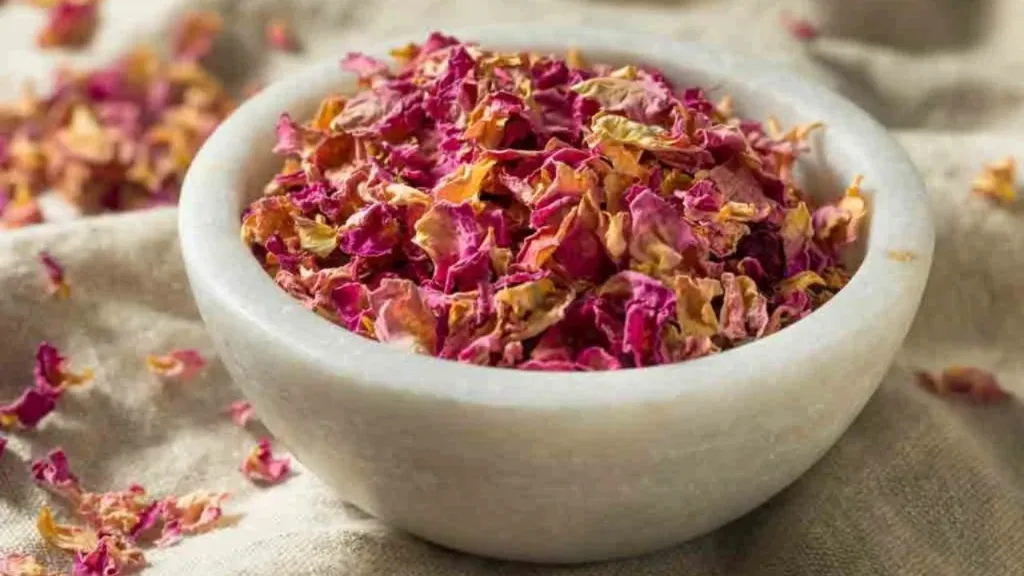
Hibiscus is a well-known and widely cultivated ornamental and medicinal plant. Its English name is Hibiscus, and its scientific name is Hibiscus rosa-sinensis.
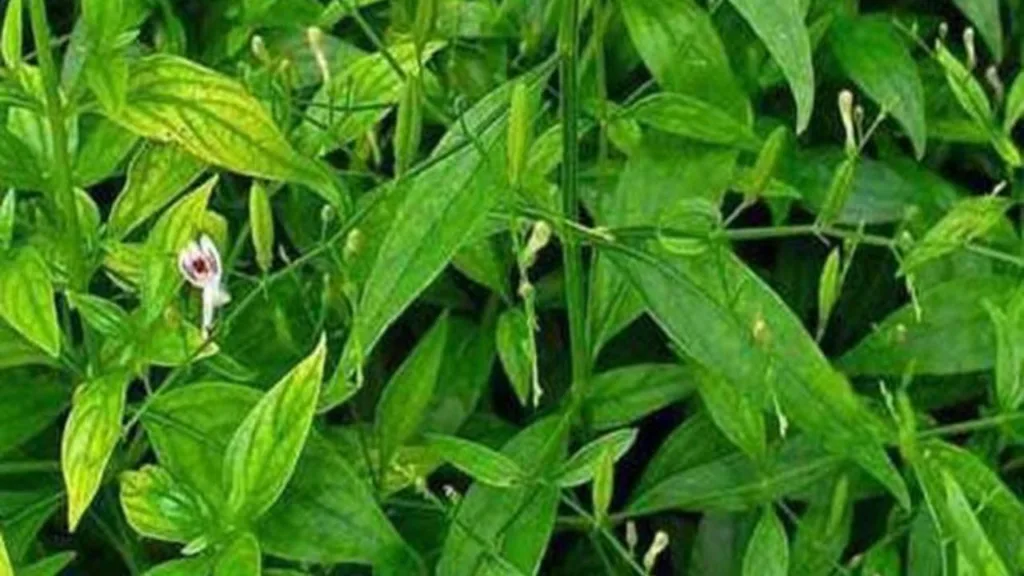
The Chirata tree appears like a slender, upright, and small shrub. Its height usually ranges from 2 to 4 feet. Below is a description of its various parts:
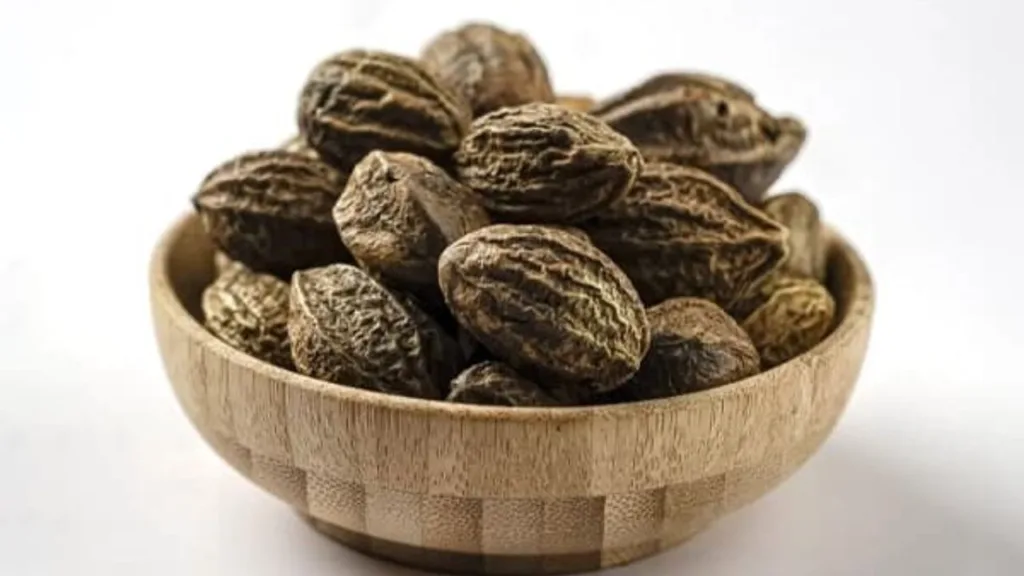
Haritaki (scientific name: Terminalia chebula) is an herb widely used in Ayurveda and ancient medicinal practices. It is generally used in its dried fruit …
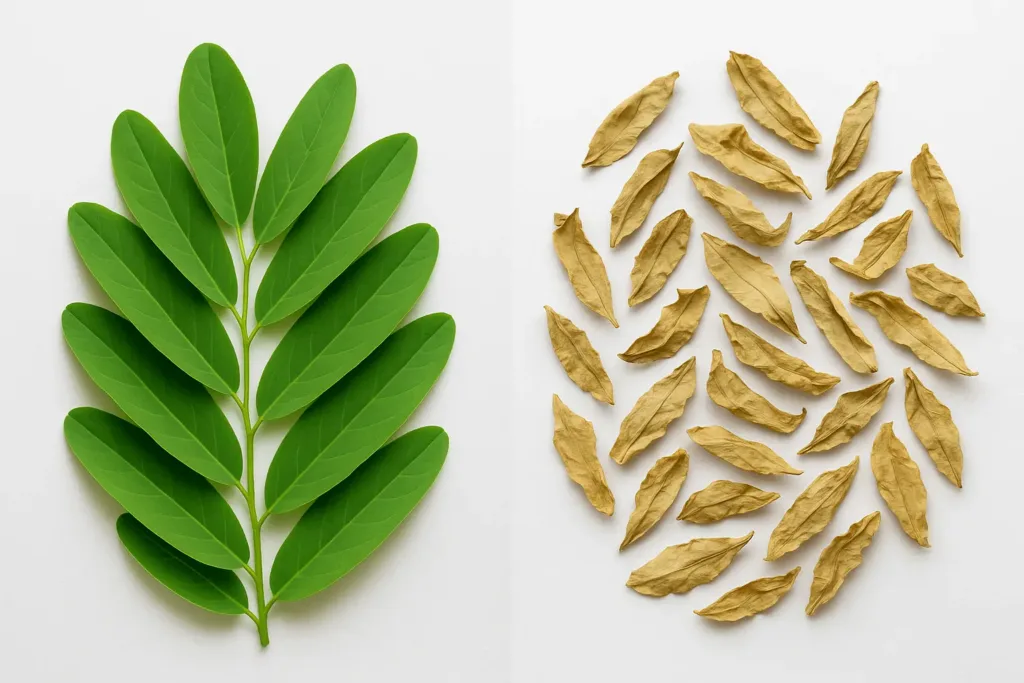
Sonapata (Golden Leaf) is generally a specially processed form of tobacco leaves, primarily used in cigarettes or other tobacco products. However, it is also used in herbal medicine.
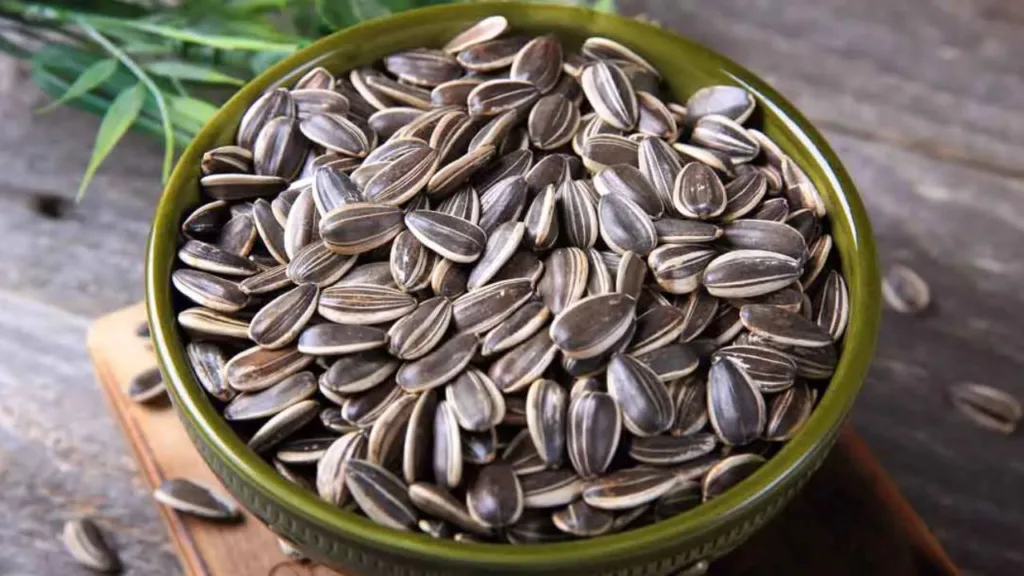
Sunflower seeds are the seeds of the sunflower plant (scientific name: Helianthus annuus). They are small, oval-shaped, and are usually covered with a hard shell or husk. Inside this shell is a dark-colored kernel.
Rauvolfia serpentina (commonly known as Snake Root) is a widely used medicinal plant whose herbal significance has been recognized since ancient times. It holds a special place in Ayurveda, Unani, Siddha, and …
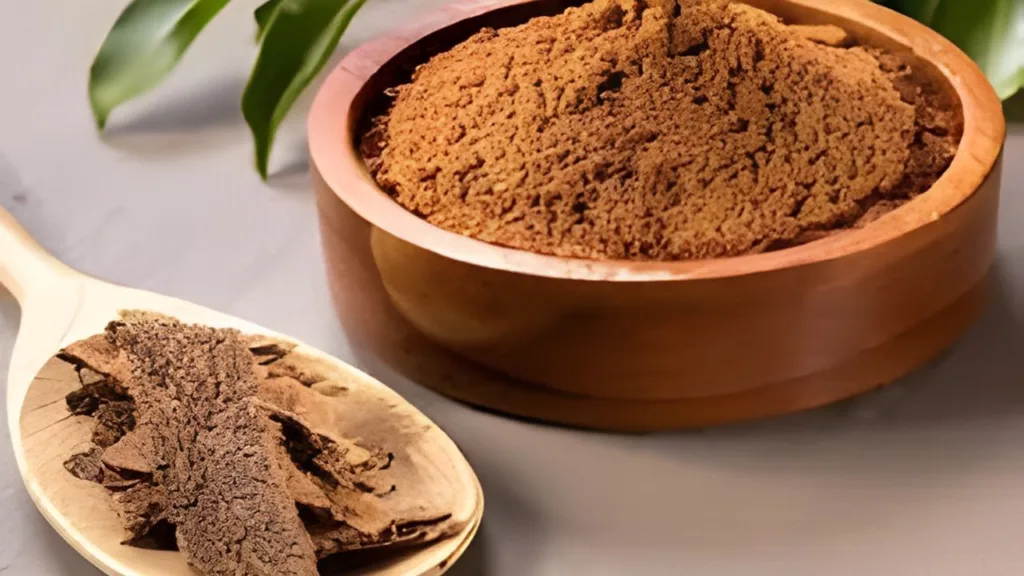
Arjuna bark (Terminalia arjuna) is a renowned medicinal plant that has been used in Ayurveda for centuries. Its bark is especially effective for heart-related ailments as well as various other physical health issues.
Bitter gourd seeds are the seeds found inside the bitter gourd or “Uchche” (Momordica charantia) fruit. They are slightly elongated, have a hard coating, and are brownish-dark in color.
Pumpkin seeds, known in Bengali as (kumror bichi), are the small, flat, oval, light green seeds found inside a pumpkin. These seeds are usually covered with a white or cream-colored outer …
Peepal (Ficus religiosa) is primarily used in Ayurveda for its leaves, bark, and various parts of the tree. However, there can be some possible side effects when consumed. These are generally dependent on the dosage and—
Nishoth (scientific name Vitex negundo) is an ancient medicinal plant, widely used in Ayurveda and other natural therapies. Its leaves, roots, flowers, and other parts of the plant are used for various medicinal purposes.
Indrayava (Indrayava or Indrajav) is an important medicinal plant, widely used in Ayurveda and traditional folk medicine. Its scientific name is Wrightia tinctoria, and it belongs to the family Apocynaceae.
Nagarmotha is primarily a plant that is known in English as Cyperus rotundus. It is generally a grass-like plant, but it is used in many medicinal and therapeutic applications.
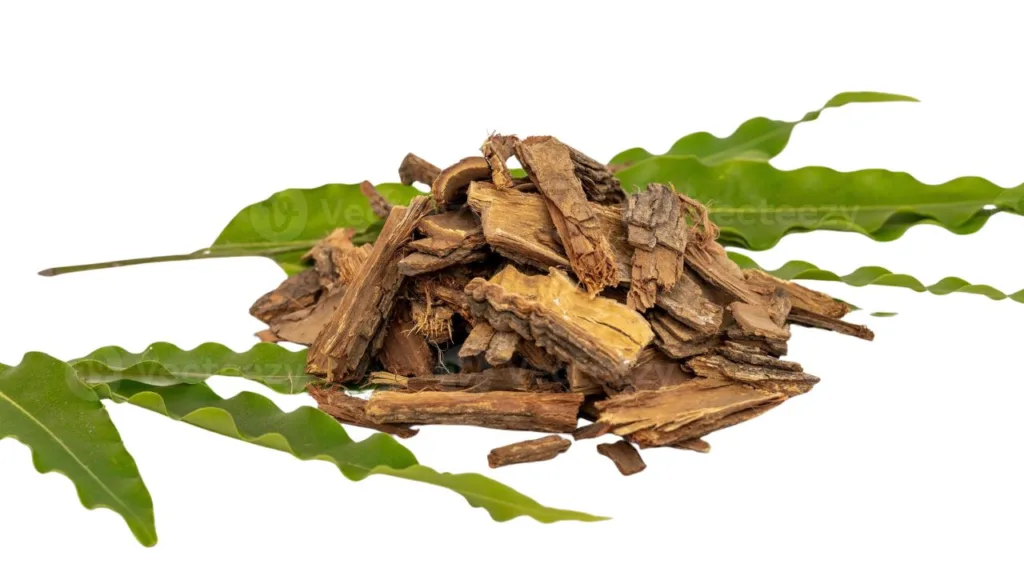
Ashoka (Saraca asoca) is a commonly used medicinal plant, especially its bark and flowers. You have asked about the medicinal uses of Ashoka bark and its use in homeopathy. I will explain in detail.